


What Are GX Aviation Connectors?
GX aviation connectors are one of the most widely used types of industrial circular connectors, valued for their compact design, reliable threaded locking mechanism, and versatility across a wide range of electrical applications. Although they are commonly called aviation connectors, the term mainly refers to their robust circular construction and secure coupling design rather than indicating that they are certified for use in aircraft.
A typical GX aviation connector consists of a male plug, a female socket, electrical contacts (pins and sockets), an insulating insert, a metal shell, and a threaded coupling nut that securely locks the two mating halves together. This threaded connection helps maintain stable electrical contact while reducing the risk of accidental disconnection caused by vibration or movement.
The “GX” designation identifies a family of connector series available in multiple sizes, including GX12, GX16, GX20, GX25, GX30, GX35, GX40, GX48, and GX50. Each series is designed to accommodate different installation spaces, contact configurations, and electrical requirements. Depending on the application, users can select the appropriate shell size, number of contacts, and mounting style to achieve the desired balance between compactness, current capacity, and wiring convenience.
Most industrial GX connectors feature durable metal housings that provide good mechanical strength and resistance to everyday industrial environments. They are commonly used with solder termination and are available in cable-mounted and panel-mounted versions, making them suitable for both equipment manufacturing and maintenance applications.
Today, GX connectors are widely used in industrial automation equipment, power supplies, sensors, control systems, measurement instruments, LED lighting, communication devices, robotics, CNC machinery, and many other electronic systems where reliable signal or power transmission is required.
It is important to understand that GX aviation connectors are industrial connectors, not aviation-certified connectors. While they are frequently used in industrial equipment because of their reliability and cost-effectiveness, applications involving flight-critical aerospace systems typically require connectors that comply with dedicated military or aerospace standards. For projects exposed to harsh outdoor environments, high moisture, severe vibration, or demanding sealing requirements, users should also verify the connector’s IP rating, environmental specifications, and certification before selection.
By understanding the structure, available series, and application scope of GX connectors, engineers and purchasing teams can more easily identify the most suitable connector for their equipment while avoiding common misconceptions about the term “aviation connector.”
GX Aviation Connector Series Overview
GX aviation connectors are available in multiple shell-size series to meet different installation, wiring, and electrical requirements. Rather than indicating a specific electrical rating, each GX model represents a connector family designed for different space constraints and application needs. As the connector size increases, it generally provides more room for larger contacts, thicker cables, or additional pins. However, the actual current rating, voltage rating, and pin arrangement depend on the specific product design and manufacturer.
The table below provides a general comparison of the most common GX connector series to help you quickly understand their typical characteristics and application scenarios.
| Series | Relative Size | Common Pin Options* | Typical Applications |
|---|---|---|---|
| GX12 | Compact | 2–7 Pins | Sensors, compact instruments, LED equipment |
| GX16 | Small / Medium | 2–10 Pins | Automation equipment, controllers, instruments |
| GX20 | Medium | 2–12 Pins | Industrial control, power and signal transmission |
| GX25 | Medium / Large | 2–16 Pins | Industrial equipment, multi-circuit systems |
| GX30 | Large | Multiple pin options | Higher-current equipment, power distribution |
| GX35 | Large | Multiple pin options | Industrial power equipment and machinery |
| GX40 | Heavy-duty | Multiple pin options | Large industrial equipment, power interfaces |
| GX48 | Heavy-duty | Multiple pin options | Multi-channel industrial systems |
| GX50 | Heavy-duty | Multiple pin options | Large machinery and high-capacity power applications |
*Common pin options vary by manufacturer and product design.
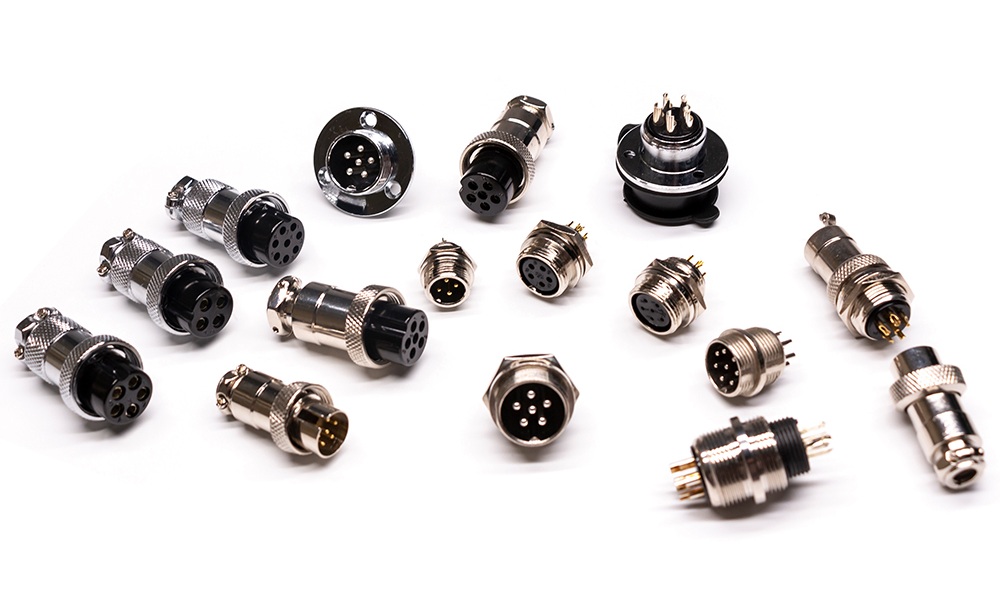
GX12 Connector
The GX12 connector is the most compact member of the GX family. It is designed for applications where installation space is limited while still providing reliable power or signal connections. Typical applications include sensors, laboratory instruments, compact controllers, and LED lighting equipment. Its small footprint makes it a popular choice for lightweight electronic devices.
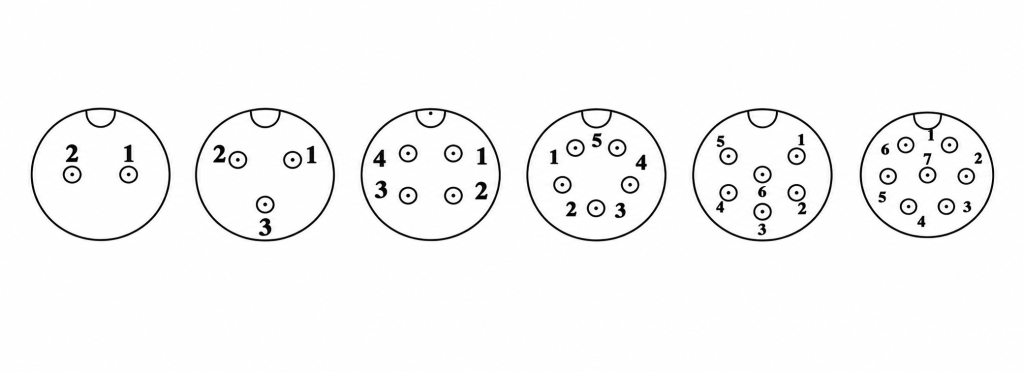
GX16 Connector
The GX16 aviation connector is one of the most widely used industrial circular connectors. Compared with GX12, it offers additional wiring space and supports a wider range of contact configurations, making it suitable for automation equipment, measurement instruments, CNC controllers, and communication devices. It is often selected as a balanced solution between compact size and wiring flexibility.

GX20 Connector
The GX20 connector provides a larger shell size than GX16, allowing more installation space for additional contacts or larger cable diameters. It is commonly used for industrial control systems, power supplies, distribution equipment, and applications that require both power and signal transmission.
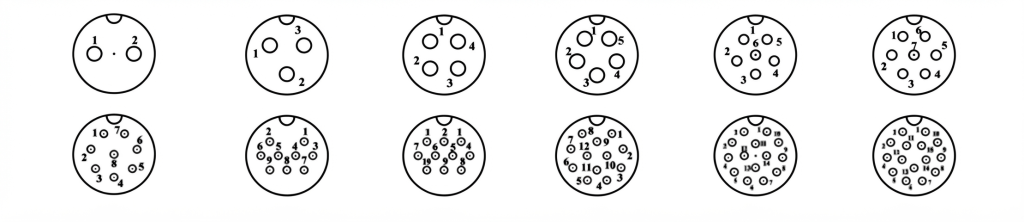
GX25 Connector
The GX25 connector is suitable for equipment requiring additional contacts or increased wiring capacity. It is frequently used in industrial machinery, manufacturing equipment, and integrated control systems where multiple electrical circuits need to be connected within a single connector.

GX30, GX35, GX40, GX48 and GX50 Connectors
The larger GX connector series—including GX30, GX35, GX40, GX48, and GX50—are typically selected for heavy-duty industrial equipment, large machinery, power distribution systems, and applications requiring increased cable capacity or multiple electrical circuits. Their larger shells generally provide more internal space for wiring and mechanical strength, making them suitable for demanding industrial installations.
Choosing the Right GX Connector Size
Selecting the appropriate GX connector involves more than simply choosing a larger or smaller shell size. Engineers should consider installation space, required number of contacts, cable diameter, electrical load, operating environment, and future maintenance requirements. In many cases, a medium-sized connector such as GX16 or GX20 offers the best balance between compact dimensions and wiring flexibility, while larger series are preferred when additional wiring space or higher mechanical robustness is required.
Common GX Connector Configurations
In addition to different shell sizes, GX aviation connectors are available in various connector configurations to suit different installation methods and equipment designs. Choosing the correct configuration is just as important as selecting the appropriate connector size because it directly affects cable routing, installation efficiency, maintenance, and long-term reliability.
Male Cable Plug
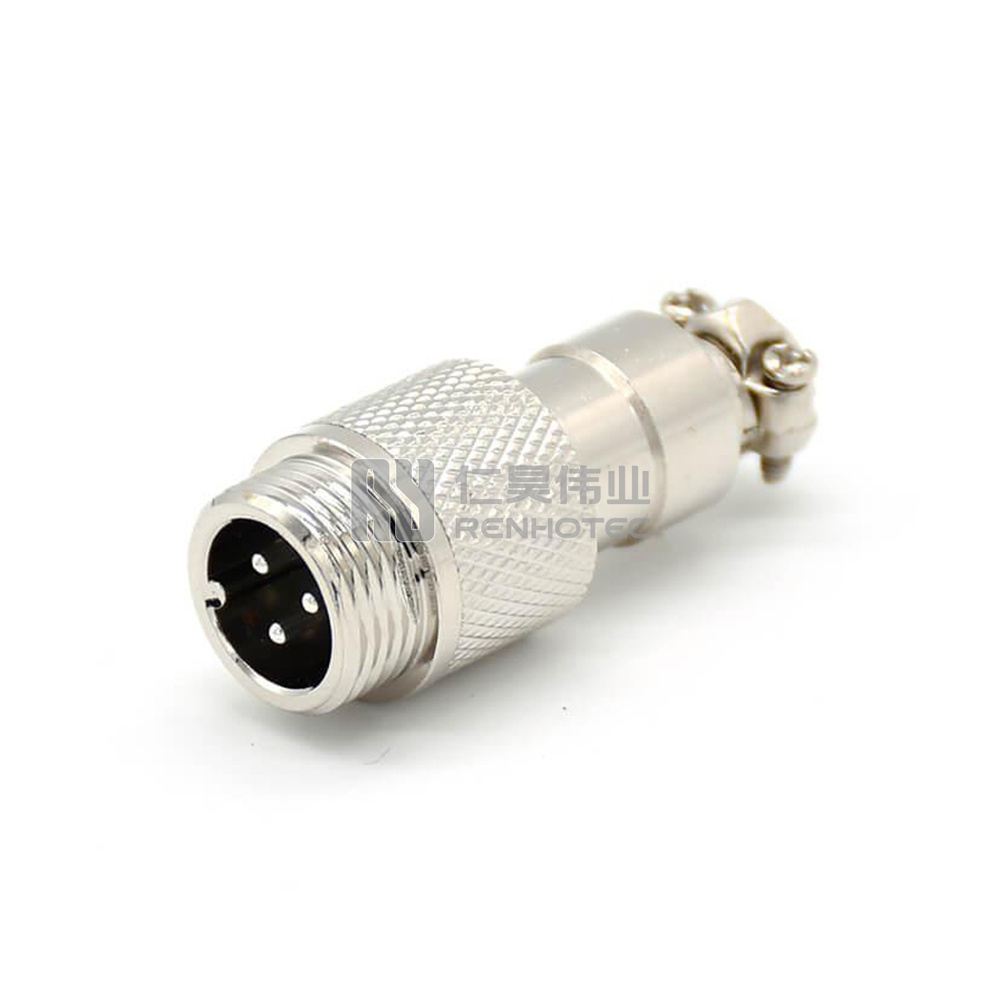
The GX aviation plug male is the most common cable-mounted connector in the GX series. It is installed at the end of a cable and mates with a corresponding female socket to establish power or signal connections.
Most GX male plugs use a threaded coupling nut that securely locks the connector after mating. This design helps prevent accidental disconnection caused by vibration, cable movement, or repeated plugging and unplugging, making it suitable for industrial equipment that requires stable electrical connections.
Depending on the product design, cable plugs are commonly supplied with solder termination and cable strain relief to improve wiring reliability and reduce mechanical stress on the conductors.
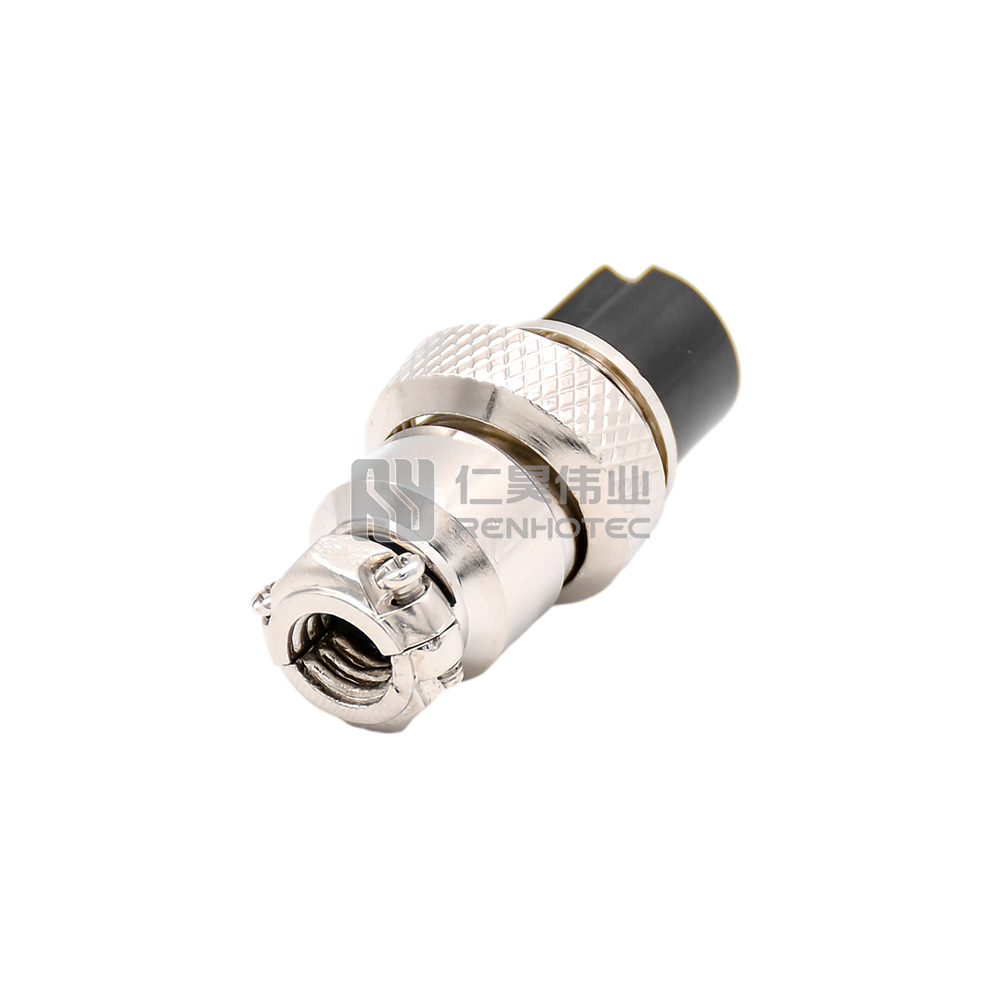
Female Cable Socket
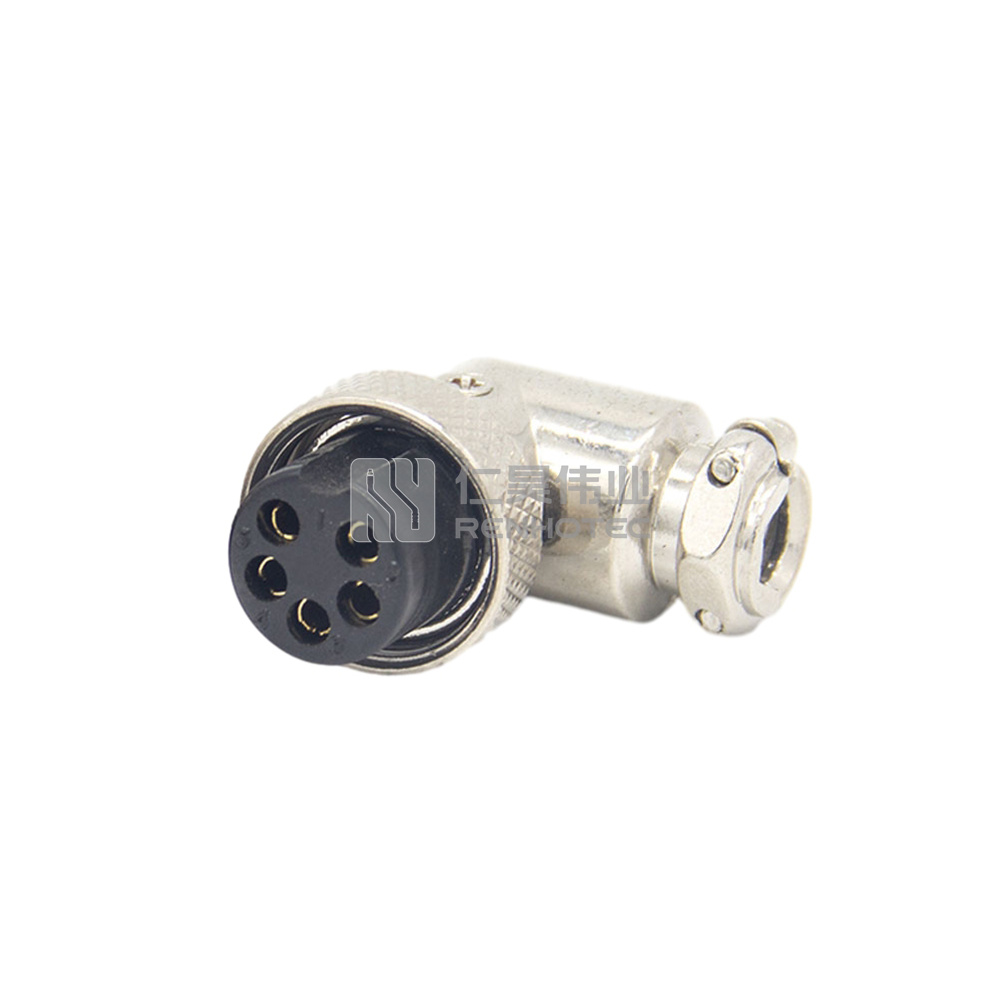
The aviation connector socket is the cable-mounted female counterpart of the male plug. It is commonly used in cable-to-cable applications where detachable connections are required between two cable assemblies.
This configuration is frequently used in portable equipment, extension cables, testing systems, and modular electrical assemblies where equipment needs to be disconnected for transportation or maintenance.
Not every GX series or manufacturer offers cable-mounted female connectors in every size or pin configuration. Therefore, it is always recommended to verify product availability before finalizing the design.
Panel-Mount Socket
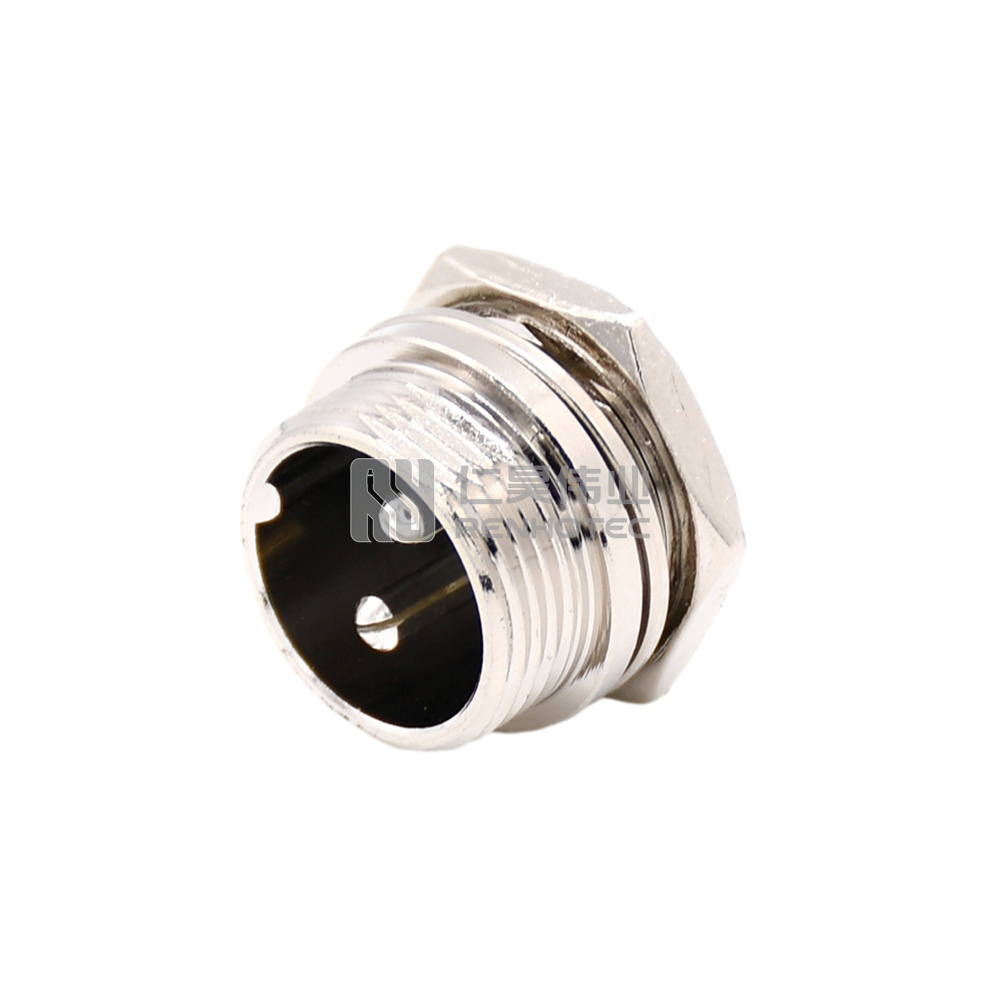
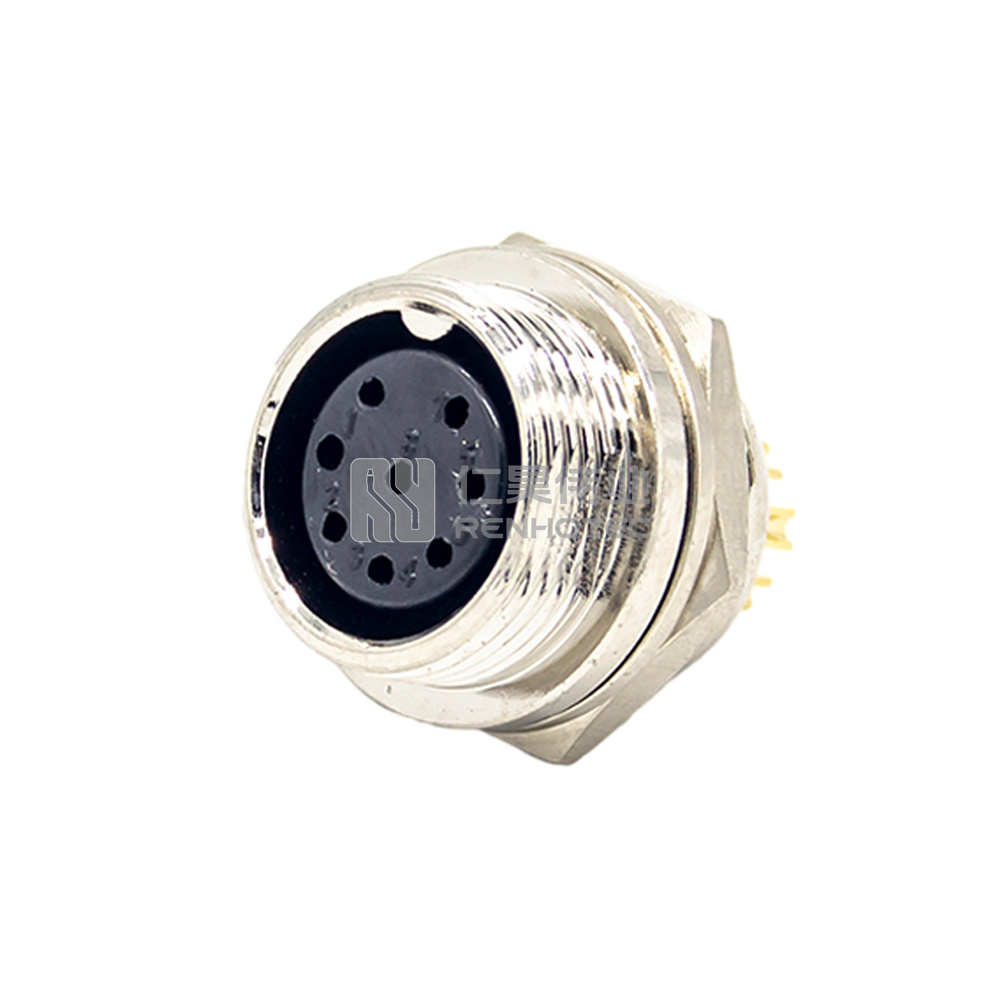
A panel mount aviation connector is designed to be permanently installed on the equipment enclosure, control cabinet, or machine panel. Instead of moving with the cable, the connector remains fixed on the equipment while allowing cables to be connected or disconnected externally.
Panel-mounted sockets are widely used for industrial power inputs, signal interfaces, communication ports, and control system connections. They provide a clean installation appearance while improving maintenance efficiency because cables can be replaced without opening the equipment.
Depending on equipment requirements, panel sockets may be installed from either the front or rear side of the panel.
Flange-Mount Connector
A flange-mount connector, such as a GX20 flange aviation connector, features an integrated mounting flange with screw holes for secure attachment to the equipment panel.
lange-mounted connectors are commonly available with circular or square flange designs. Compared with threaded mounting alone, flange mounting provides greater mechanical stability and is particularly suitable for equipment exposed to vibration or repeated cable insertion.

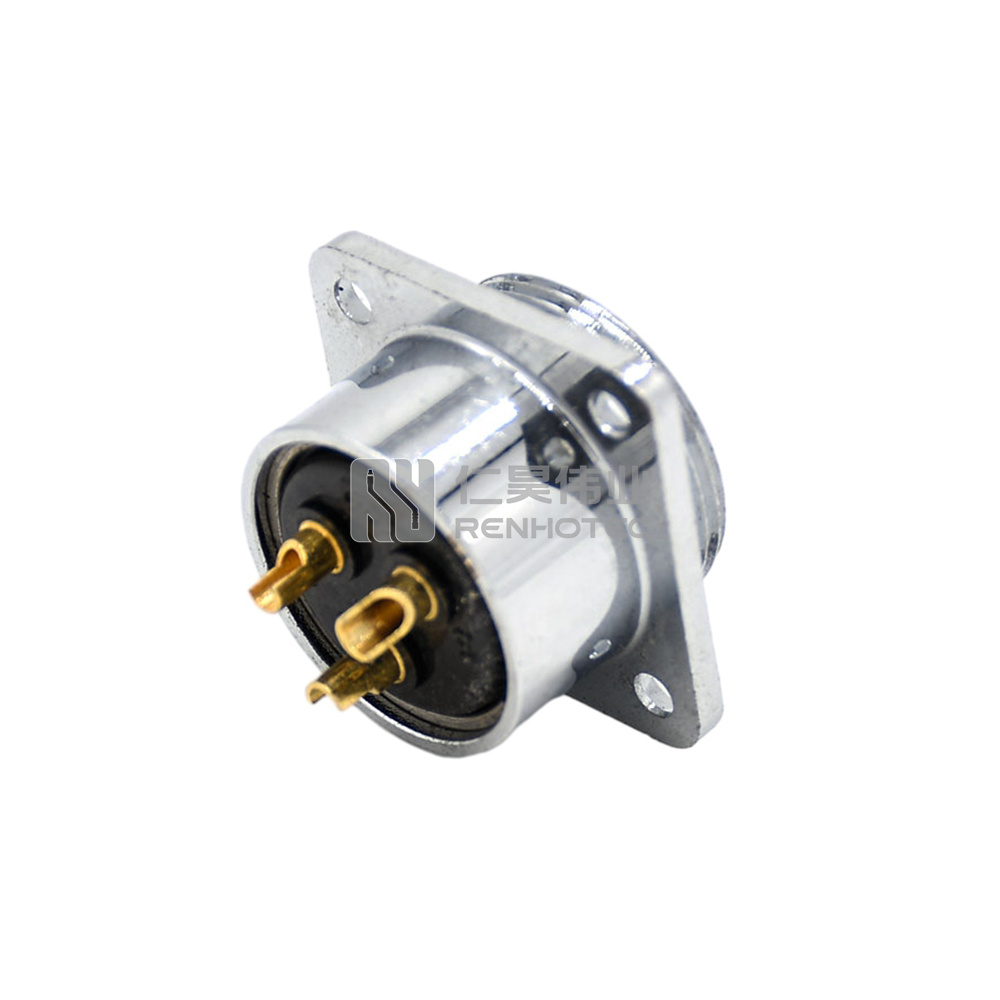
When selecting a flange-mounted connector, designers should verify the required panel cutout dimensions and mounting hole positions to ensure compatibility with the equipment enclosure.
Straight and Right-Angle Versions
GX connectors are commonly available in straight configurations, while some manufacturers also offer right-angle versions for applications with limited installation depth or restricted cable routing space.
Straight connectors are generally easier to install and are suitable for most standard industrial equipment. Right-angle connectors help reduce cable bending radius, making them ideal for compact control cabinets, electronic enclosures, and equipment installed close to walls or panels.
The availability of right-angle versions depends on the specific GX series and manufacturer.
Solder and Other Termination Types
Solder and Other Termination Types
The electrical termination method is another important consideration when selecting a GX connector. Different termination styles affect assembly efficiency, maintenance, and production cost.
Solder termination is the most common option for GX aviation connectors because it provides reliable electrical performance and is suitable for a wide range of industrial applications.
Some manufacturers may also offer screw termination or crimp termination for selected models, depending on product design and application requirements.
Before selecting a termination style, users should consider wire size, assembly process, maintenance requirements, and production volume to ensure the connector meets the application’s long-term reliability goals.
GX Connector Pin Configurations Explained
Selecting the correct pin configuration is one of the most important steps when choosing a GX aviation connector. While many users focus first on the connector size (such as GX12 or GX16), the number of contacts ultimately determines how many electrical circuits the connector can accommodate. Choosing too few contacts may limit system functionality, while selecting more contacts than necessary can increase cost and installation complexity.
It is also important to note that the number of pins does not indicate the connector size or current capacity. A larger connector may support more contacts or larger wire gauges, but the actual electrical performance depends on the specific product design, contact size, insulation material, and manufacturer specifications.
Factors to Consider When Selecting the Number of Pins
Before deciding on a pin configuration, engineers should evaluate the complete electrical requirements of the equipment rather than simply counting wires. The following factors should be considered:
- Number of power circuits
- Number of signal circuits
- Grounding requirements
- Shielding requirements
- Future expansion or spare contacts
- Rated current for each contact
- Cable diameter and soldering space
Selecting the appropriate pin count at the beginning of the design process can simplify wiring, improve reliability, and reduce future maintenance costs.
Typical GX Connector Pin Configurations
Although available pin counts vary among different GX series and manufacturers, the following table summarizes the most common application scenarios.
| Pin Count | Typical Applications |
|---|---|
| 2 Pin | DC power supply, simple ON/OFF circuits |
| 3 Pin | Power + Ground, single sensor, AC power |
| 4 Pin | Power plus signal, dual-channel equipment |
| 5 Pin | Sensors, controllers, industrial control |
| 6–8 Pin | Multiple control signals, instrumentation |
| More Pins | Integrated control systems, multi-circuit equipment |
Common Examples
GX12 2 Pin Connector
A GX12 2 pin aviation connector is commonly used for simple DC power connections, battery-powered devices, LED lighting, and small electronic equipment where only positive and negative power lines are required.
GX12 4 Pin Connector
A GX12 4 pin connector is suitable for applications requiring both power and signal transmission. For example, two contacts may carry power while the remaining contacts transmit control or communication signals.
GX12 5 Pin Connector
The GX12 5 pin aviation connector is frequently selected for compact industrial control systems, sensors, and measuring instruments that require multiple independent signal channels.
GX16 5 Pin Connector
Compared with GX12, the GX16 5 pin connector provides additional internal wiring space, making soldering easier when using larger wire gauges. It is commonly found in industrial automation equipment, CNC systems, and laboratory instruments.
GX20 4 Pin Connector
A GX20 connector 4 pin is often used in equipment that requires higher mechanical strength or larger cable diameters while still maintaining a relatively simple four-circuit electrical design.
Example of Choosing the Correct Pin Count
- Positive power
- Negative power
- Ground Control signal
- A Control signal B
This application requires at least five contacts, making a 5-pin GX connector a logical starting point. The final connector series should then be selected based on current requirements, cable diameter, available installation space, and environmental conditions.
Best Practices for Pin Selection
When selecting a GX connector, avoid choosing the pin count based solely on the current wiring requirements. Reserving one or two spare contacts can simplify future upgrades or equipment modifications without replacing the entire connector.
Additionally, larger wire gauges require more soldering space. Even if two connectors have the same number of contacts, a larger GX series may offer easier assembly and improved long-term reliability.
Typical Applications of GX Aviation Connectors
Thanks to their reliable threaded locking mechanism, compact circular design, and wide range of sizes and pin configurations, GX aviation connectors are widely used in industrial and commercial equipment. They can transmit power, signals, or both simultaneously, making them suitable for many electrical connection applications.
Below are some of the most common application scenarios for GX connectors.
Industrial Automation Equipment
Industrial automation is one of the largest application areas for GX connectors. They are commonly used to connect sensors, motors, control cabinets, PLC systems, and industrial controllers. The threaded coupling mechanism helps maintain a secure connection in environments where equipment experiences frequent vibration or movement.
Typical applications include: PLC control systems, Automation production lines, Industrial control cabinets, Packaging equipment, Conveyor systems.
Sensors and Control Systems
Many sensors require compact connectors capable of transmitting both power and signal lines. GX12 and GX16 connectors are particularly popular because they provide multiple contact configurations while occupying relatively little installation space.
Common examples include: Temperature sensors, Pressure sensors, Position sensors, Industrial transmitters, Control modules.
Test and Measurement Instruments
GX aviation connectors are frequently found in laboratory instruments, electronic testing equipment, and measurement systems. Their secure connection helps ensure stable signal transmission while allowing cables to be disconnected quickly for maintenance or calibration.
Typical equipment includes: Oscilloscopes Signal generators, Power analyzers, Laboratory instruments, Data acquisition systems.
LED Lighting Equipment
Many LED lighting systems use GX connectors for power distribution because they are compact, easy to install, and provide reliable electrical connections.
Applications include: Stage lighting, Architectural lighting, Outdoor lighting systems, LED display equipment.
Audio and Communication Equipment
Some audio systems, communication devices, and broadcasting equipment also use GX connectors for power or low-voltage signal transmission. Their durable metal housing offers good mechanical protection in portable equipment.
Typical examples include: Audio control equipment, Communication terminals, Portable electronic devices, Broadcasting equipment.
Robotics and CNC Machines
Industrial robots and CNC machines require reliable connectors that can withstand repeated movement and long operating hours. GX connectors are often selected for signal transmission, control interfaces, and auxiliary power connections.
Typical applications include: Robotic arms, CNC machining centers, Motion control systems, Servo equipment
Power Supplies and Battery Equipment
GX connectors are commonly used on AC/DC power supplies, battery chargers, energy storage devices, and portable power equipment where detachable electrical connections are required.
Examples include: Battery charging equipment, Portable power stations, Industrial power supplies, UPS systems
DIY Projects and Prototype Equipment
Because GX connectors are available in many sizes and pin configurations and are relatively easy to assemble, they are also widely used by engineers, equipment developers, and hobbyists for prototype development and custom electronic projects.
They provide an economical solution for equipment that requires detachable wiring during testing and product development.
Application Considerations
Although GX connectors are highly versatile, they are not suitable for every application. Selecting a connector based solely on appearance or size may lead to reliability issues.
Before selecting a GX connector, users should verify:
- Required current and voltage ratings
- Environmental conditions
- IP protection level
- Cable diameter
- Mounting method
- Certification requirements
It is also important to understand that standard GX aviation connectors are industrial connectors rather than aerospace-certified products. They should not be used in flight-critical aerospace systems unless the connector specifically meets the required aviation or military standards.
Similarly, not every GX connector is waterproof. If the equipment will operate outdoors, in humid environments, or where exposure to dust or liquids is expected, users should verify the connector’s IP rating, sealing design, and manufacturer specifications before installation.

How to Choose the Right GX Connector
Choosing the right GX aviation connector involves more than simply selecting a connector size or pin count. A suitable connector should meet the electrical requirements, fit the available installation space, withstand the operating environment, and remain compatible with the mating connector. Following a structured selection process can help reduce design changes, simplify installation, and improve long-term reliability.
The following seven-step process provides a practical guide for selecting the right GX connector for your application.
Step 1. Define the Electrical Requirements
The first step is to determine what the connector needs to transmit. Some applications require only power, while others require only signals or a combination of both. Understanding the electrical requirements helps narrow down the appropriate connector series and pin configuration.
Questions to consider include:
Is the connector used for power, signals, or both?
What are the rated current and voltage?
Is shielding required?
Are there any communication protocols involved?
Step 2. Determine the Required Number of Contacts
After identifying the electrical circuits, determine how many contacts are required. Remember to include power lines, signal lines, ground connections, shielding, and any spare contacts for future expansion.
Choosing the correct number of contacts at the beginning of the design process can simplify wiring and reduce future maintenance costs.
Step 3. Check Current and Voltage Ratings
Even if two connectors have the same number of contacts, they may have different electrical ratings. Always verify that the connector’s rated current and voltage meet the requirements of your equipment.
Pay particular attention to:
Current rating per contact
Rated voltage
Insulation performance
Maximum operating temperature
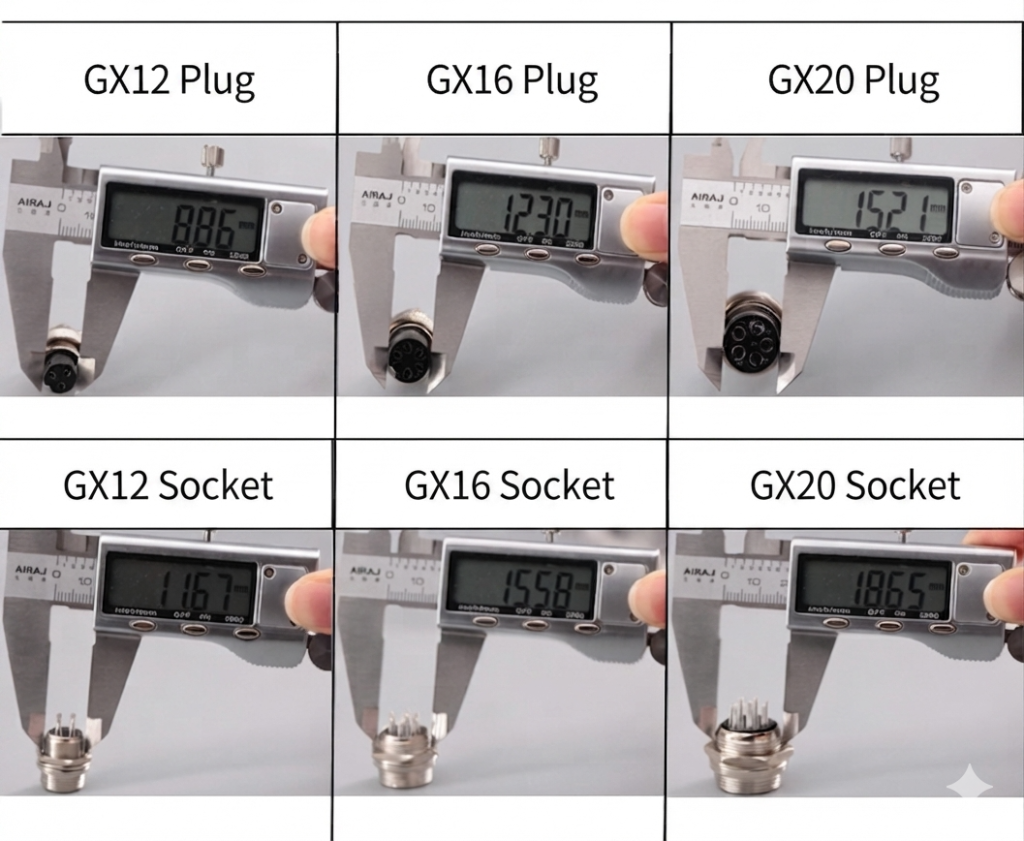
Step 4. Select the Appropriate GX Shell Size
Once the electrical requirements have been determined, select the connector size that best matches the installation space and cable specifications.
As a general guideline:
- GX12 – Compact equipment with limited installation space
- GX16 – General industrial equipment and automation systems
- GX20 – Equipment requiring larger cables or additional wiring space
- GX25 and above – Heavy-duty equipment or applications requiring more installation capacity
Larger connector sizes do not automatically provide higher current capacity. Always verify the manufacturer’s specifications.
Step 5. Choose the Appropriate Connector Configuration
Next, determine which connector configuration best fits your equipment.
Common options include:
- Male cable plug
- Female cable socket
- Panel-mount socket
- Flange-mount connector
- Straight connector
- Right-angle connector (if available)
The installation method should be selected based on maintenance requirements, available space, and cable routing.
Step 6. Confirm the Operating Environment
Environmental conditions play an important role in connector selection. A connector that performs well indoors may not be suitable for harsh industrial environments.
Consider factors such as: Dust, Moisture, Water exposure, Oil and chemicals, Mechanical vibration, Outdoor installation, Operating temperature.
If environmental protection is required, verify the connector’s IP rating, sealing structure, and environmental specifications before purchasing.
Step 7. Verify Dimensions and Mating Compatibility
Before finalizing the design, always verify the connector dimensions, mounting holes, thread specifications, contact layout, and mating compatibility.
A connector labeled GX16 from one manufacturer may not be identical to a GX16 connector from another manufacturer. Differences may exist in dimensions, thread design, pin layout, materials, or electrical specifications.
Never assume that two connectors are interchangeable simply because they share the same GX designation or pin count. Always compare technical drawings and product specifications before replacement or procurement.
GX12 vs GX16 vs GX20 vs GX25: What’s the Difference?
One of the most common questions when selecting a GX aviation connector is: Which GX series should I choose? While GX12, GX16, GX20, and GX25 share a similar threaded circular design, they differ in installation space, wiring capacity, and typical applications. Understanding these differences can help you select a connector that meets both your electrical and mechanical requirements.
| Comparison | GX12 | GX16 | GX20 | GX25 |
|---|---|---|---|---|
| Relative Size | Compact | Small / Medium | Medium | Medium / Large |
| Installation Space | Very Limited | Moderate | Moderate | Larger |
| Typical Pin Options | 2–7 Pins | 2–10 Pins | 2–12 Pins | 2–16 Pins |
| Cable Capacity | Small Cables | Small to Medium Cables | Medium Cables | Larger Cables |
| Typical Applications | Sensors, LED, Small Instruments | Industrial Automation, Controllers | Power Distribution, Industrial Control | Industrial Equipment, Multi-Circuit Systems |
| Main Advantage | Saves Space | Balanced Size and Flexibility | More Wiring Capacity | Larger Wiring Space |
*Typical pin options may vary by manufacturer and product series.
Frequently Asked Questions
If your equipment has very limited installation space, the GX12 connector is often the better choice. Its compact design makes it suitable for sensors, compact instruments, and portable electronic devices where space is a critical consideration.
On the other hand, the GX16 aviation connector provides more room for wiring and generally supports a wider range of contact configurations. It has become one of the most widely used GX series in industrial automation because it offers a good balance between connector size and installation flexibility.
General recommendation:
Choose GX16 when you need greater wiring flexibility or expect future expansion.
Choose GX12 when compact size is the highest priority.
Although GX16 and GX20 are similar in appearance, the GX20 connector generally provides a larger shell size and more internal space for larger cables or additional contacts.
If your application requires higher cable capacity or easier wiring during assembly, GX20 may be a better option. However, if installation space is limited and the electrical requirements can already be met by GX16, choosing the smaller connector may reduce equipment size and overall cost.
A common misconception is that a larger GX connector automatically has a higher current rating. In reality, the electrical performance depends on multiple factors, including:
Contact size, Contact material, Wire gauge, Insulation design, Manufacturer specifications.
A larger shell often provides more wiring space and may accommodate larger contacts, but the rated current should always be verified using the manufacturer’s technical documentation rather than assuming it based on connector size.
No. Each GX series uses its own mechanical dimensions, thread design, and mating interface. A GX12 connector cannot mate with a GX16 connector, and the same applies to GX20, GX25, and other series. Even if two connectors have the same number of contacts, they are not mechanically compatible unless they belong to the same series and matching design.
Not necessarily. The term “aviation connector” is widely used because of the connector’s circular metal housing and threaded locking mechanism. However, standard GX aviation connectors are industrial connectors and are not automatically certified for aerospace or aviation applications. If your project involves aircraft, military systems, or other safety-critical applications, you should select connectors that comply with the required aerospace or military standards.
Not always. Although many manufacturers follow similar GX standards, there may still be differences between products from different brands. Before replacing an existing connector, always compare the technical drawings and specifications rather than relying only on the model number.
Request a Quote or Contact Our Experts
If you’re unsure which GX connector best fits your application, our technical team is here to help. Whether you need help selecting a connector, confirming compatibility, or finding an alternative to an existing model, we can provide professional recommendations based on your project requirements.
Whether you need help selecting a connector, confirming compatibility, or finding an alternative to an existing model, we can provide professional recommendations based on your project requirements.

As a Product Manager at Renhotec Group (est. 2008), I specialize in providing deep technical insights into connectors, cables, and custom electronic components. Renhotec is a global leader in interconnect solutions, dedicated to manufacturing high-standard products for diverse industries as your trusted technical partner.