


While High-Definition Multimedia Interface (HDMI) technology has become the global standard for high-bandwidth digital video and audio transmission, its transition from consumer living rooms to industrial shop floors or outdoor marine environments presents significant engineering challenges. Standard HDMI connectors are designed for controlled indoor environments; they lack the structural integrity to withstand moisture ingress, chemical exposure, or mechanical vibration.
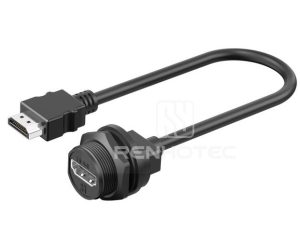
A waterproof HDMI connector is not merely a shielded version of the consumer plug; it is a specialized interconnect solution engineered to maintain signal integrity under hydrostatic pressure and corrosive atmospheres. For design engineers and procurement managers, selecting the right ingress protection (IP) rating is the first step in ensuring long-term system reliability.
Why Standard HDMI Fails in Industrial Environments
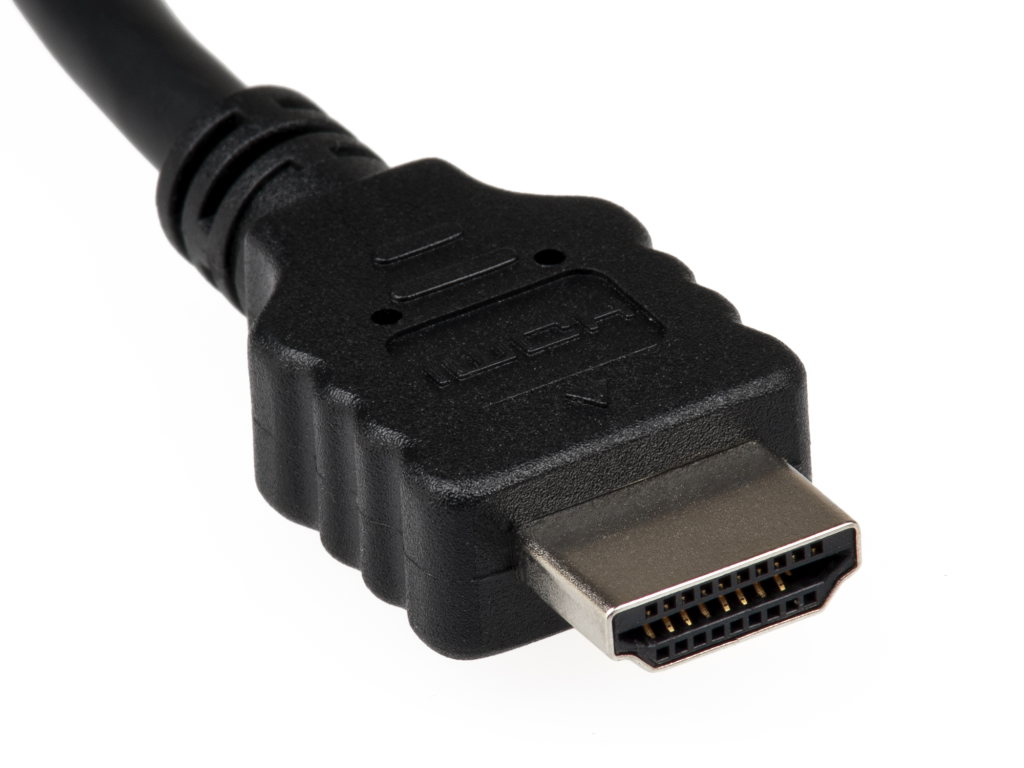
Standard HDMI connectors (Type A) rely on a friction-fit mechanism that is susceptible to axial and radial forces. In industrial or outdoor settings, these connectors face three primary failure modes:
- Oxidization and Corrosion: Exposure to humidity or salt spray leads to rapid oxidation of the copper alloy contacts. Even a thin layer of non-conductive oxide increases contact resistance, leading to “sparkling” pixels or total signal dropout.
- Capillary Action: Without a hermetic seal, moisture can be “sucked” into the cable assembly through the gap between the insulator and the metal shell, traveling deep into the internal circuitry of the device.
- Mechanical Instability: Constant vibration in factory automation or transportation applications can cause micro-fretting of the pins. Standard connectors do not have the locking mechanisms required to maintain a gas-tight connection under physical stress.
Understanding IP Ratings: What IP67 and IP68 Mean for HDMI
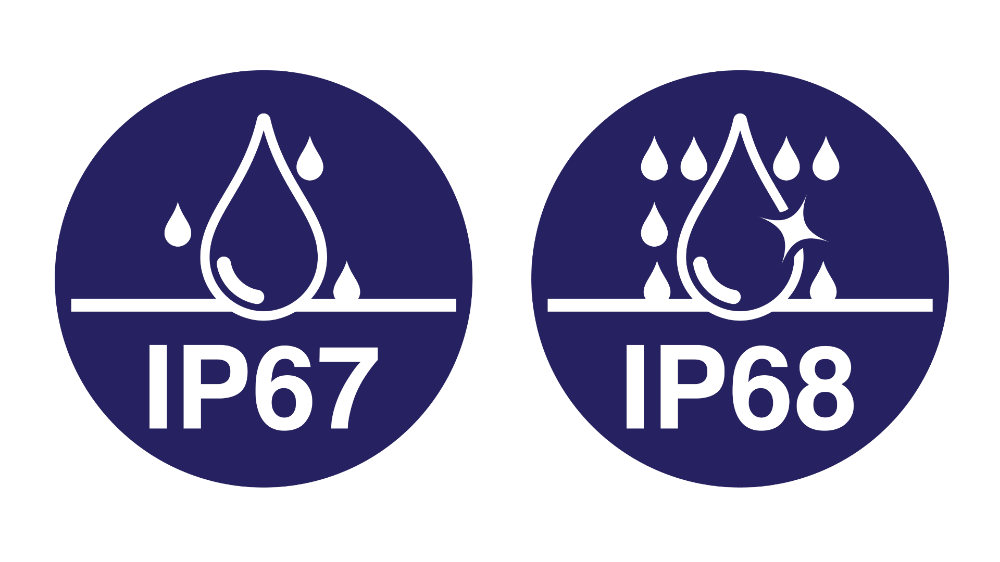
In the context of industrial interconnects, the Ingress Protection (IP) rating, defined by IEC 60529, is the most critical metric for evaluating environmental resilience. For HDMI applications, the most common specifications are IP67 and IP68.
Decoding the Digits
An IP rating consists of two digits:
- First Digit (Solid Ingress): Typically ‘6’, meaning the connector is “dust-tight” and offers complete protection against contact with internal parts.
- Second Digit (Liquid Ingress): Defines the level of protection against water.
Why IP67 is Often the “Sweet Spot”
For the majority of industrial Waterproof HDMI Connector applications, IP67 provides the necessary safety margin. It ensures that if a digital signage unit is caught in a heavy rainstorm or an industrial sensor is briefly submerged during a cleaning cycle, the HDMI link remains operational. However, for deep-sea exploration or permanent underwater installations, an IP68 Waterproof Connector with reinforced epoxy potting is required to combat sustained hydrostatic pressure. Note: Unlike IP67, the specific testing depth and duration for IP68 are subject to agreement between the manufacturer and the user, as per IEC 60529 standards.
Core Sealing Technologies in Waterproof HDMI Connectors
To achieve a consistent IP67 or IP68 rating, a Waterproof HDMI Connector must implement multiple layers of defensive sealing. In industrial engineering, relying on a single gasket is rarely sufficient for long-term field reliability.
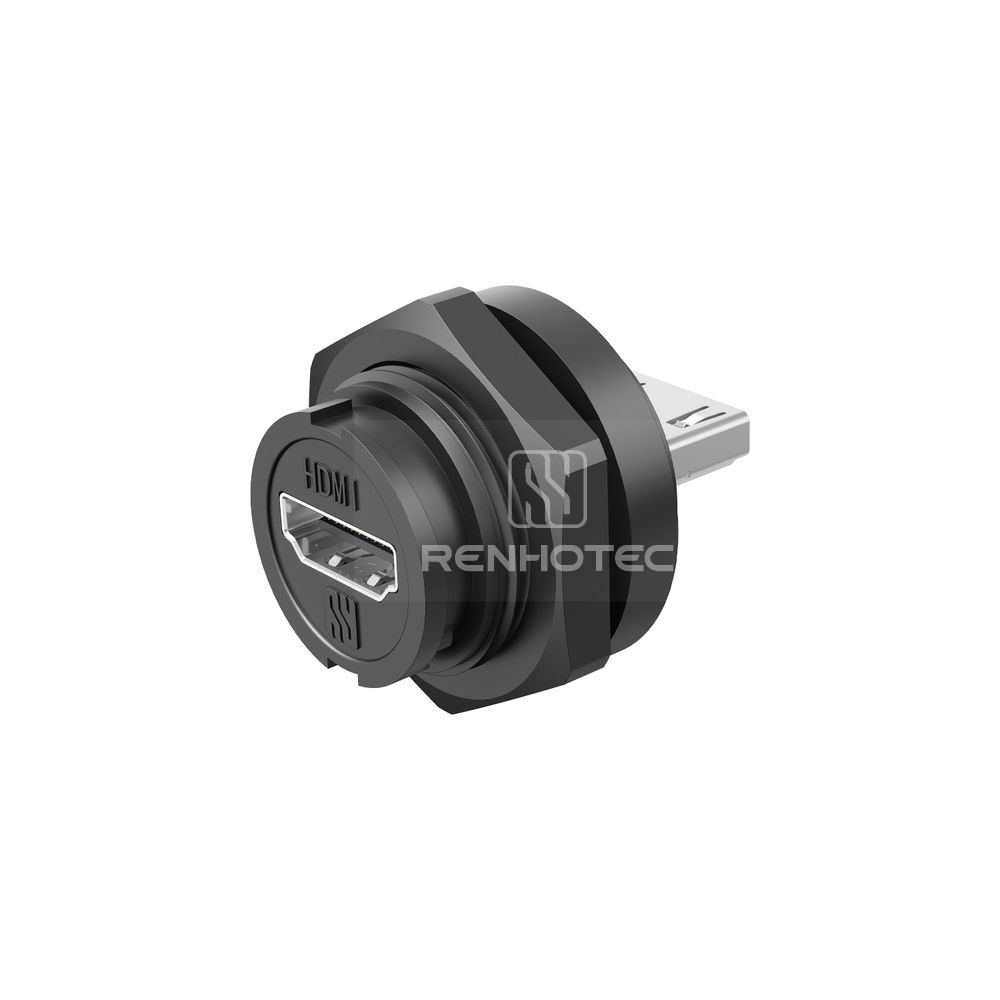
- O-Ring and Gasket Compression: High-grade silicone or EPDM (Ethylene Propylene Diene Monomer) O-rings are used at the panel interface. When the connector is tightened, these gaskets compress to create a hermetic seal that prevents water from bypassing the housing.
- Internal Epoxy Potting: The rear of the connector—where the HDMI pins are soldered to the PCB or cable—is often filled with a specialized epoxy resin. This “potting” process ensures that even if the external cable jacket is compromised, water cannot migrate through the connector body into the sensitive internal electronics.
- Conformal Coating on Contacts: Many industrial-grade connectors feature thicker gold plating (e.g., 30μ” or 50μ”) compared to consumer versions. This provides superior resistance against salt spray and electrochemical corrosion in humid environments.
Key Mechanical Structures: Threaded vs. Quick-Lock
The method used to mate the male plug to the female receptacle significantly impacts both the IP rating for connectors and the ease of maintenance in the field.
Threaded Coupling (Screw-Type)
Threaded connectors use a rotating nut to secure the connection. This is the industry standard for high-vibration environments.
- Pros: Extremely high retention force; resistant to accidental disconnection; provides consistent pressure on the sealing gasket.
- Cons: Slower to install/uninstall; requires tools or significant finger strength to ensure a full seal.
Quick-Lock (Bayonet/Push-Pull)
As seen in many modern Industrial HDMI solutions, the Quick-Lock mechanism uses a spring-loaded latch or a 1/4-turn bayonet system.
- Pros: Instant audible “click” confirmation of a secure mate; ideal for frequent maintenance or tight spaces where turning a screw is difficult.
- Cons: Generally more expensive due to complex internal spring mechanisms; may have lower axial pull-out strength compared to heavy-duty threads.
| Feature / Parameter | Threaded Coupling | Quick-Lock / Bayonet |
|---|---|---|
| Installation Speed | Moderate to Slow (Manual Rotation) | Fast (One-hand / 1-click operation) |
| Vibration Resistance | Excellent (Physical Locking) | Good (Spring-tensioned) |
| Sealing Pressure | High & Uniform Distribution | Pre-set by Spring Tension |
| Field Serviceability | Requires Precision/Tools | High Efficiency (Tool-less) |
| Best For | Permanent Outdoor Fixes | Mobile Equipment / Testing |
Critical Selection Criteria for Procurement & Engineers
When specifying a Waterproof HDMI Connector for a Bill of Materials (BOM), engineers must look beyond the IP rating. The following parameters determine the total cost of ownership (TCO) and long-term field performance:
- Mating Cycles: Standard HDMI is rated for roughly 5,000 to 10,000 cycles. Industrial versions should meet or exceed these figures, especially in “Quick-Lock” configurations used for mobile diagnostic equipment.
- Shell Material (Plastic vs. Metal):
- PA66 (Nylon): Lightweight, corrosion-resistant, and cost-effective for most outdoor applications.
- Zinc Alloy / Nickel-Plated Brass: Provides superior EMI/RFI shielding and physical impact resistance in heavy industrial zones.
- Salt Spray Resistance: For maritime or coastal deployments, ensure the connector is tested for at least 48 to 96 hours of salt spray (ASTM B117) to prevent galvanic corrosion.
- Operating Temperature Range: Industrial environments often exceed the 0°C to 50°C range of consumer electronics. Look for components rated from -40°C to +85°C.
Typical Application Scenarios for Rugged HDMI
The demand for high-definition video in non-traditional environments has expanded the use of Industrial HDMI solutions across several sectors:
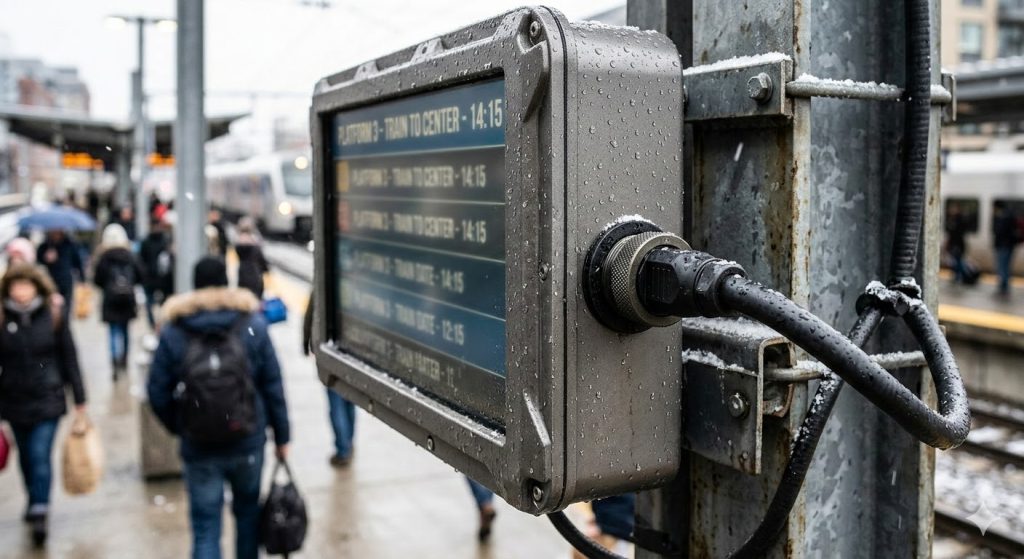
- Outdoor Digital Signage: Public displays in transit hubs or stadiums require IP67 HDMI connections to survive rain, snow, and pressure washing.
- Maritime and Naval Electronics: Bridge displays and underwater ROV (Remotely Operated Vehicle) tethers utilize IP68 Waterproof Connectors to resist constant salt fog and hydrostatic pressure.
- Medical Imaging: Surgical monitors and endoscopes require high-bandwidth connections that can withstand rigorous sterilization and liquid disinfection protocols.
- Factory Automation: Machine vision systems on assembly lines use ruggedized HDMI to transmit high-speed camera data to controllers without signal loss caused by EMI or vibration.
Installation Best Practices to Maintain IP Integrity
An IP67 rating is only as good as the installation. Please note: The final IP rating of the system is dependent on the integrity of the user’s enclosure and correct installation. Failure to follow these steps often leads to “leaky” enclosures:
- Correct Torque Application: Over-tightening a threaded connector can deform the O-ring, while under-tightening leaves gaps. Use a torque wrench where specified by the manufacturer’s datasheet.
- Panel Cutout Precision: Ensure the panel hole matches the connector’s “D-flat” or circular profile exactly. Any burrs or irregularities on the panel surface will prevent the gasket from seating properly.
- Dust Caps are Mandatory: When the HDMI cable is unplugged, the internal pins are exposed. Always use a tethered waterproof dust cap to maintain the seal of the receptacle when not in use.
FAQ
Can I use a standard HDMI cable with a waterproof receptacle?
Does waterproofing affect HDMI 2.0 or 2.1 signal bandwidth?
What is the difference between “Active” and “Passive” waterproof HDMI cables?
How do I test if my installation is truly IP67 compliant?
Final Engineering Note
Custom Waterproof Solutions for Harsh Environments
Selecting the right connector is critical for ensuring long-term reliability and signal integrity in industrial, maritime, or outdoor applications. While IP ratings provide a standardized benchmark, the specific demands of your operating environment—such as chemical exposure, extreme temperatures, or high-frequency vibration—may require a tailored approach.
Renhotec provides a comprehensive portfolio of IP67 and IP68 HDMI solutions. Our engineering team is available to assist with technical specifications, and custom cable assembly designs. Email us at [email protected]!

Connectors & cable assemblies manufacturer.
Sharing insights on connectors and real-world applications.
Contact for datasheets, samples, or inquiries.