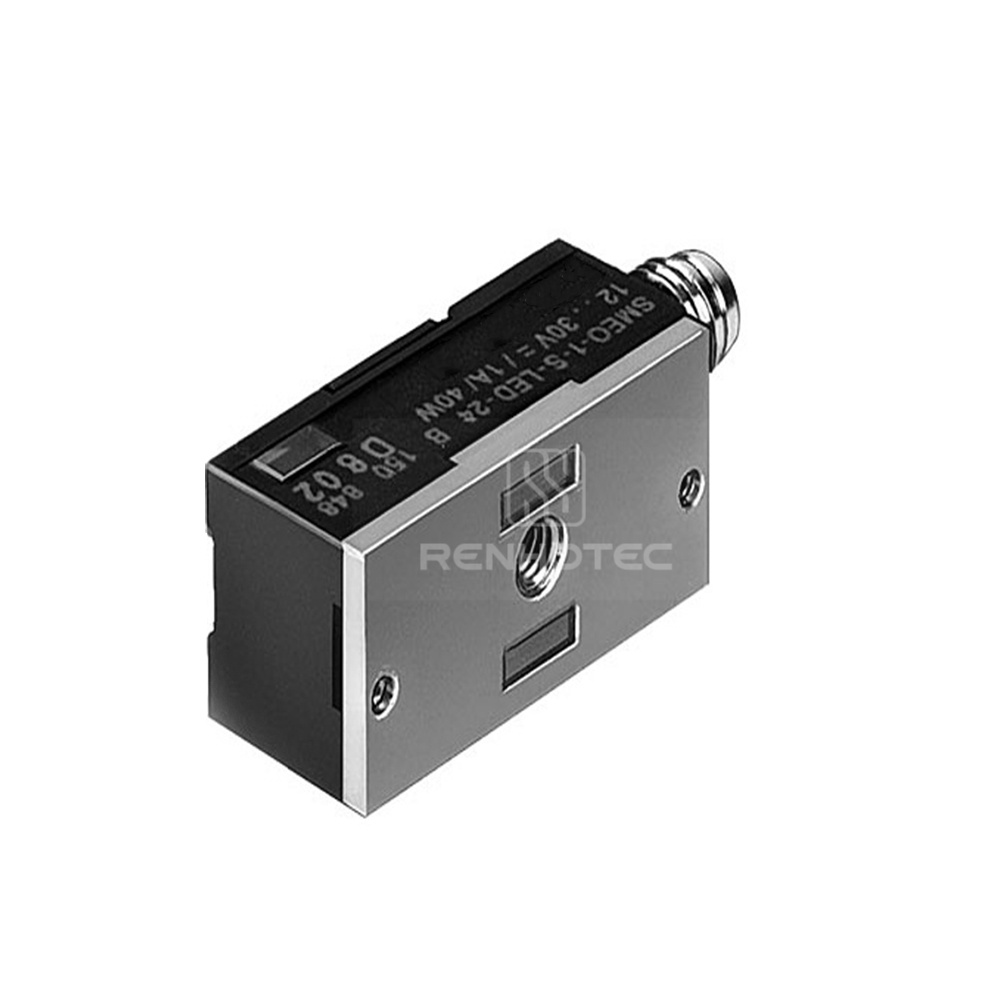
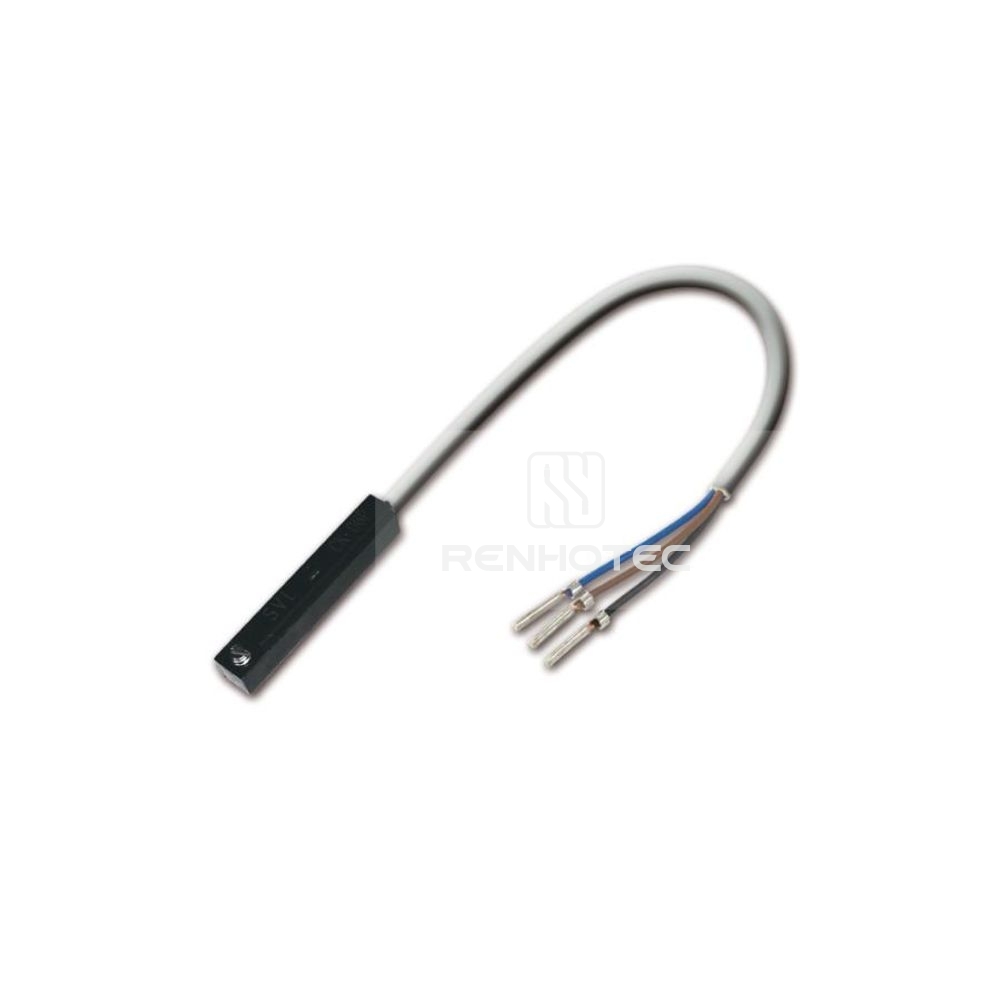
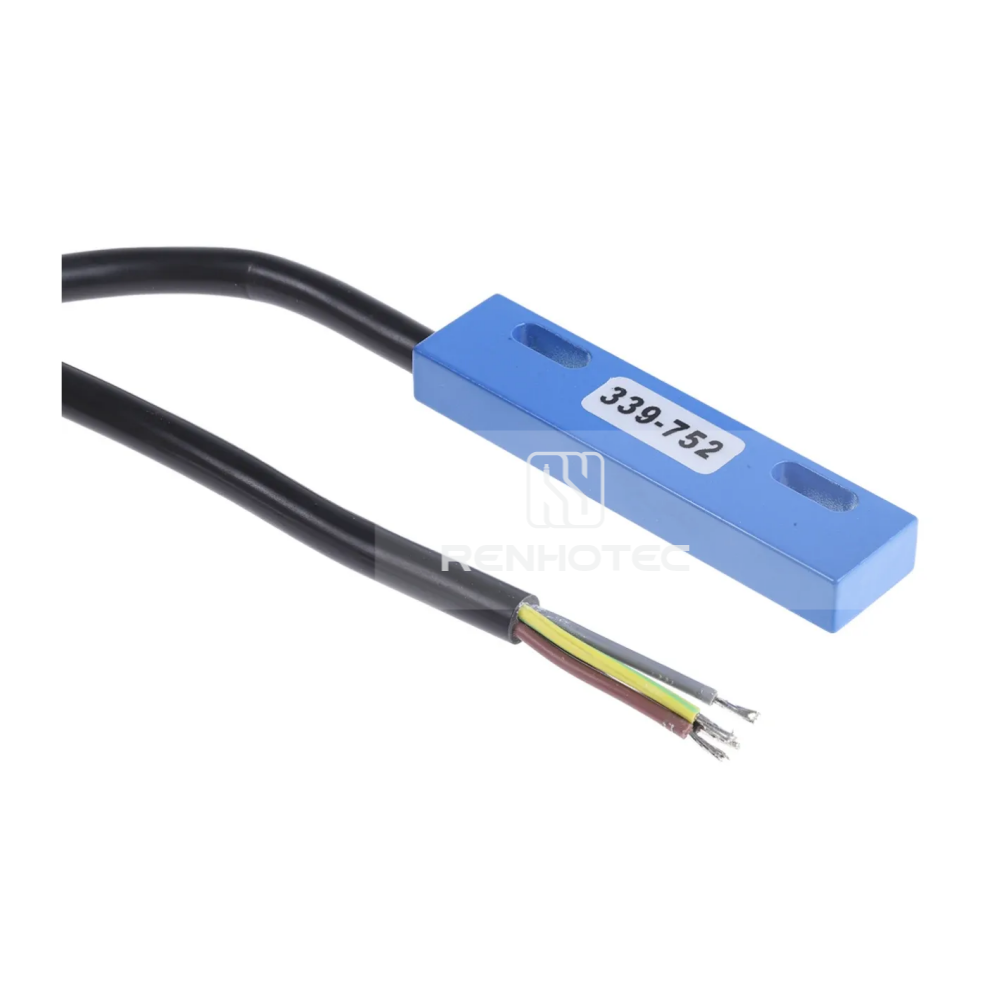
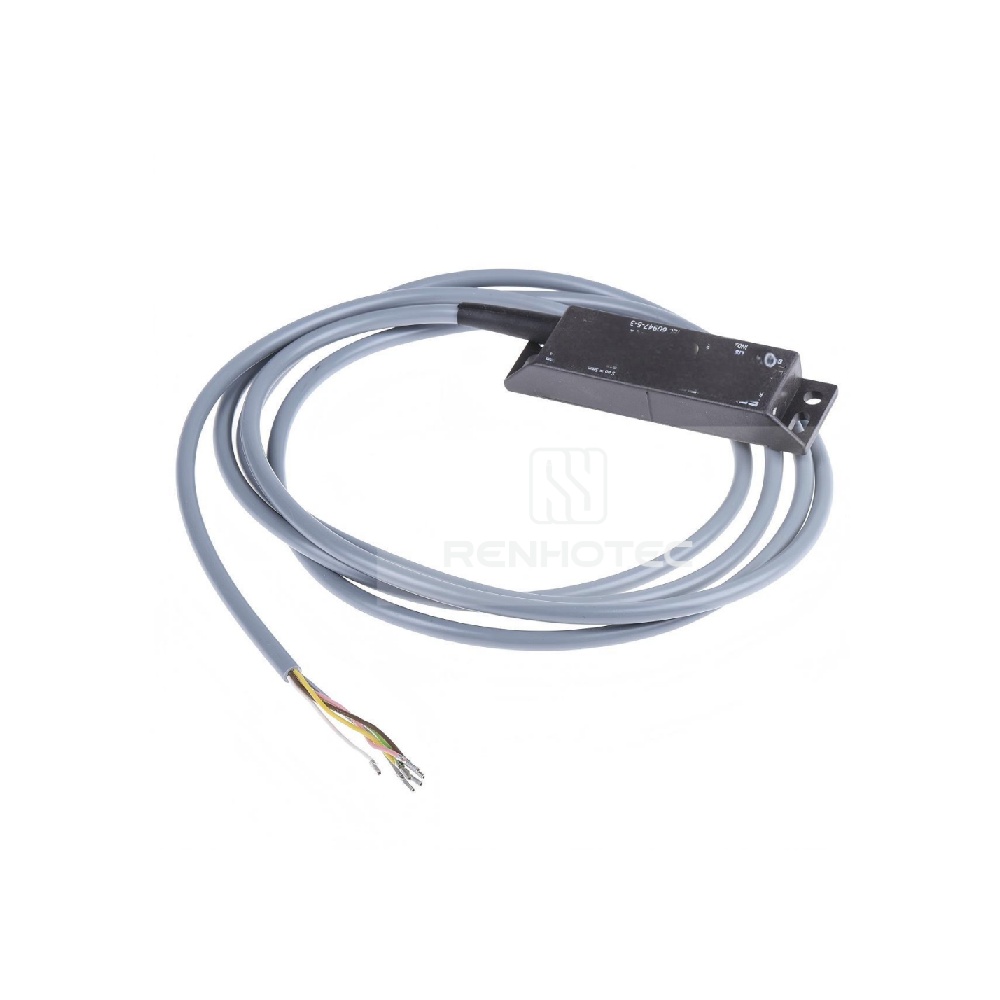
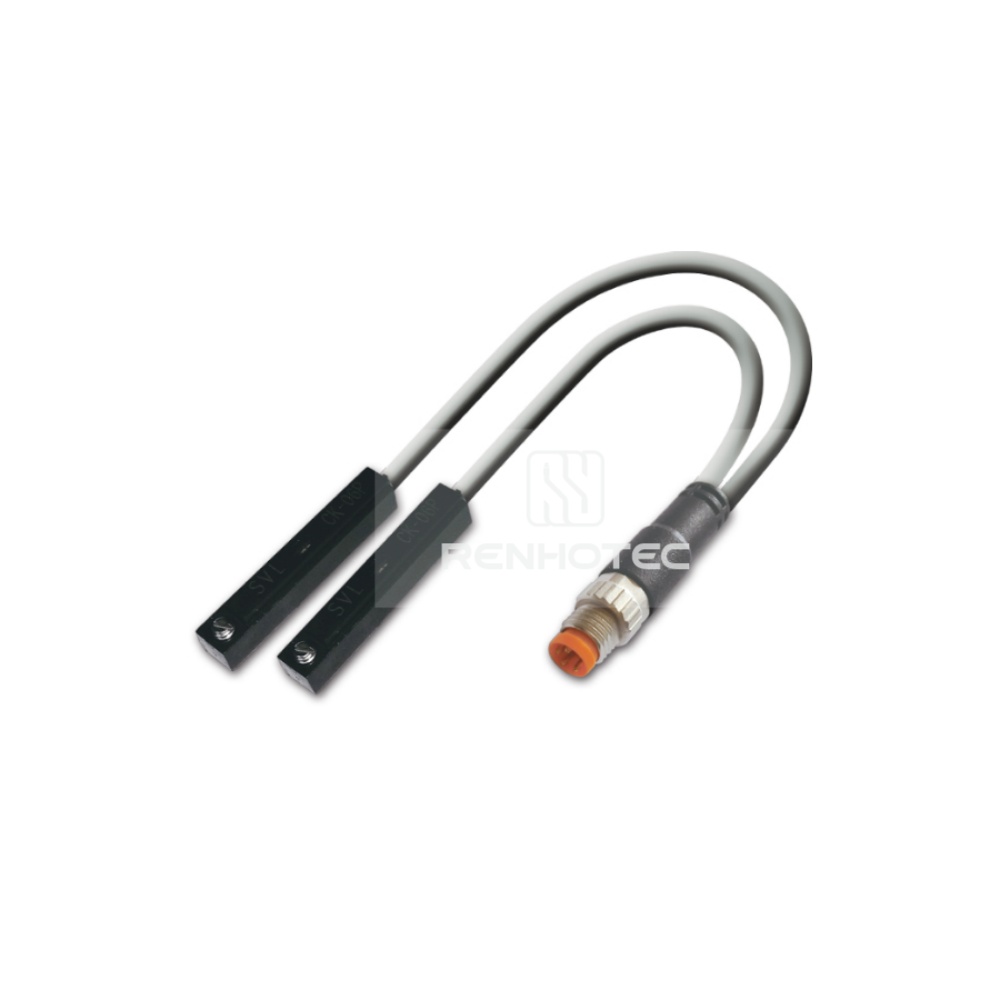
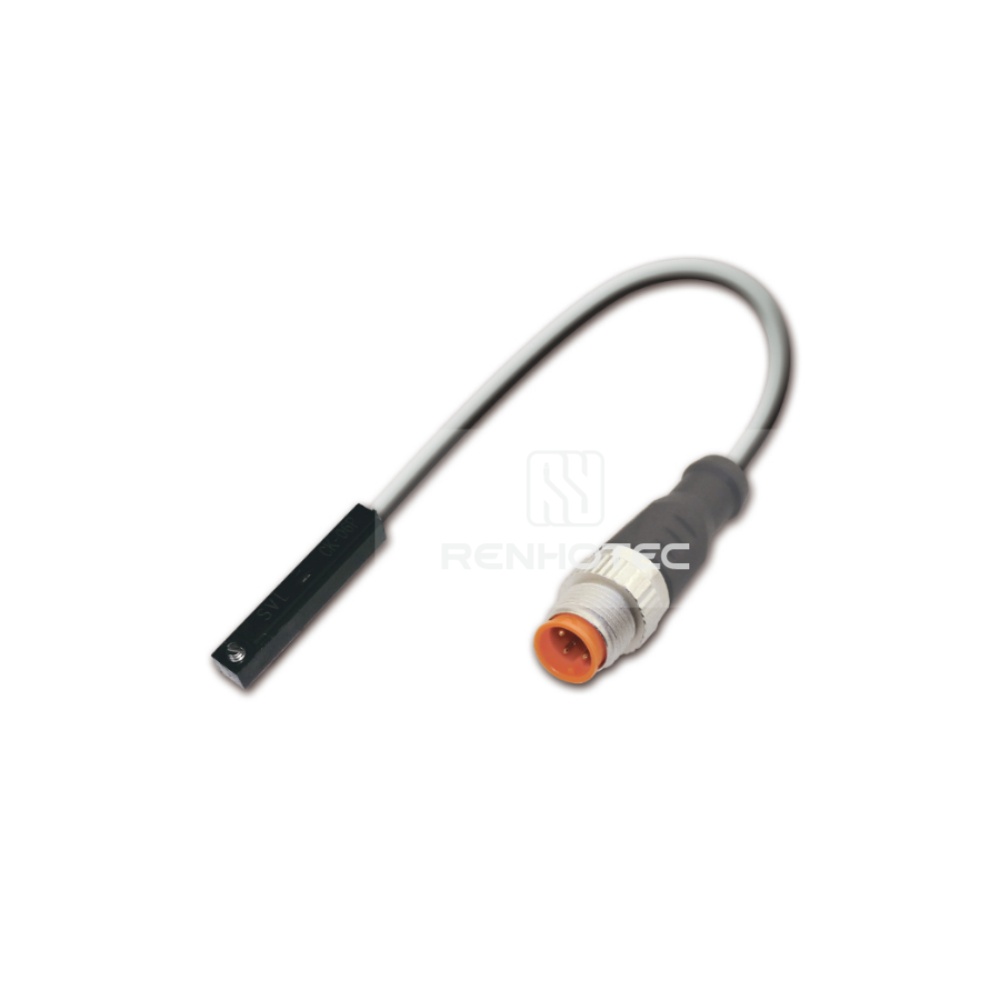
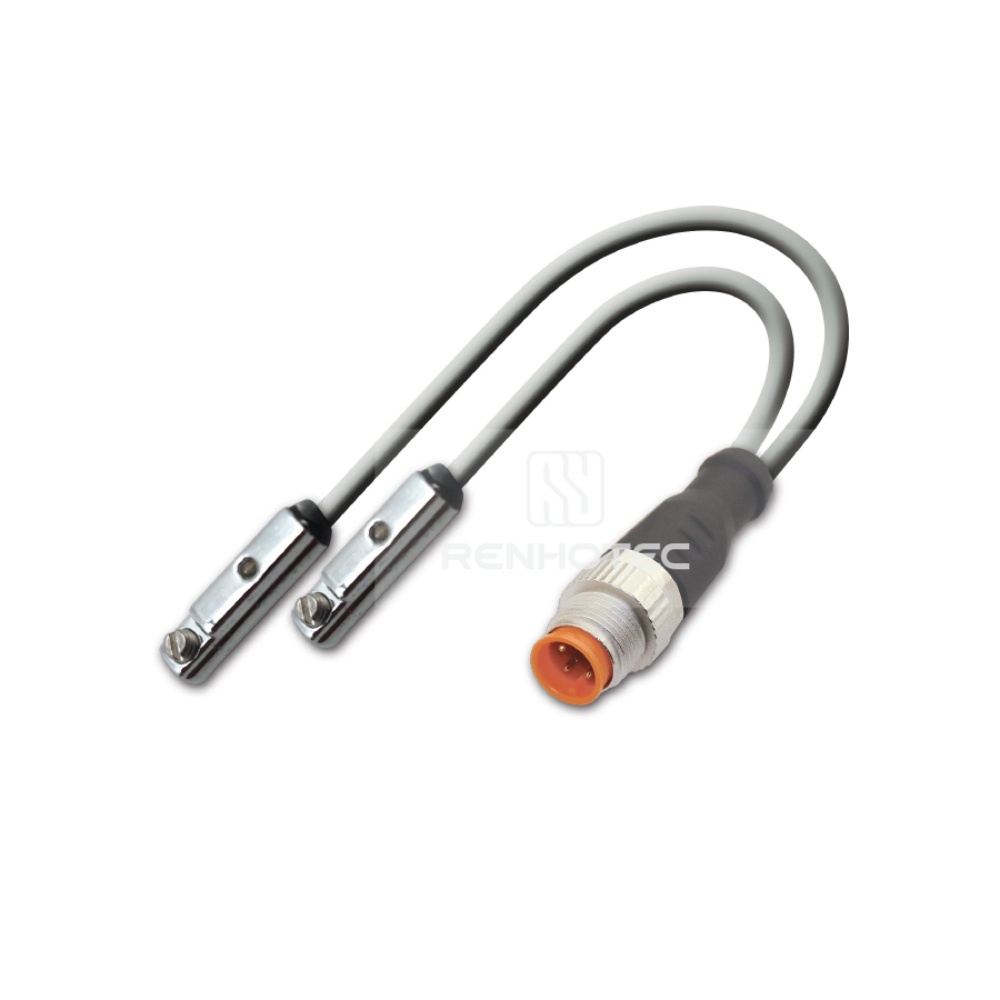
Magnetic cylinder switches are widely used to detect piston position in pneumatic cylinders without direct contact with the moving piston. They are also commonly called cylinder position sensors, magnetic cylinder sensors, or magnetic reed switches for cylinders.
Although these terms are often used interchangeably, they can describe the product from slightly different perspectives. Magnetic cylinder switch focuses on the sensing device and its application, while cylinder position sensor emphasizes its function. Magnetic cylinder sensor combines both concepts.
Choosing the right sensor is not only about selecting a reed switch or solid-state sensor. The cylinder profile, mounting slot, wiring, output type, and connector can all affect compatibility. This guide explains the key specifications to check before purchasing a magnetic cylinder switch, helping you select a sensor that fits your pneumatic cylinder and control system.
What Is a Magnetic Cylinder Switch?
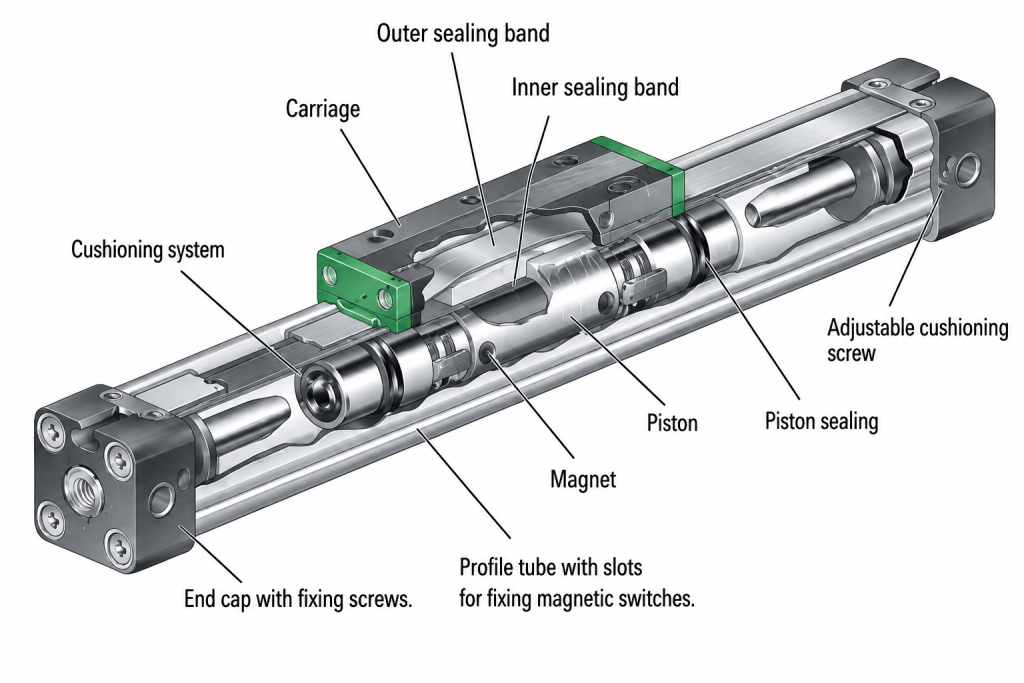
A magnetic cylinder switch is a sensor mounted on or near a pneumatic cylinder to detect the position of its piston. The piston contains a permanent magnet, and the external sensor detects the magnetic field as the piston moves through the cylinder.
Unlike mechanical limit switches, magnetic cylinder switches do not need physical contact with the piston. This makes them suitable for applications where reliable, repeatable position detection is required, such as automated machinery, assembly equipment, material handling, and pneumatic control systems.
A typical magnetic cylinder sensor consists of a sensing element, housing, electrical connection, and mounting mechanism. The sensor is installed in a cylinder slot or with a mounting bracket, depending on the cylinder design.
Component
Function
Piston Magnet
Generates the magnetic field
Sensing Element
Detects the magnetic field
Housing
Protects the sensor components
Connection
Transfers the electrical signal
Mounting Mechanism
Secures the sensor to the cylinder
How Does a Pneumatic Cylinder Position Sensor Work?
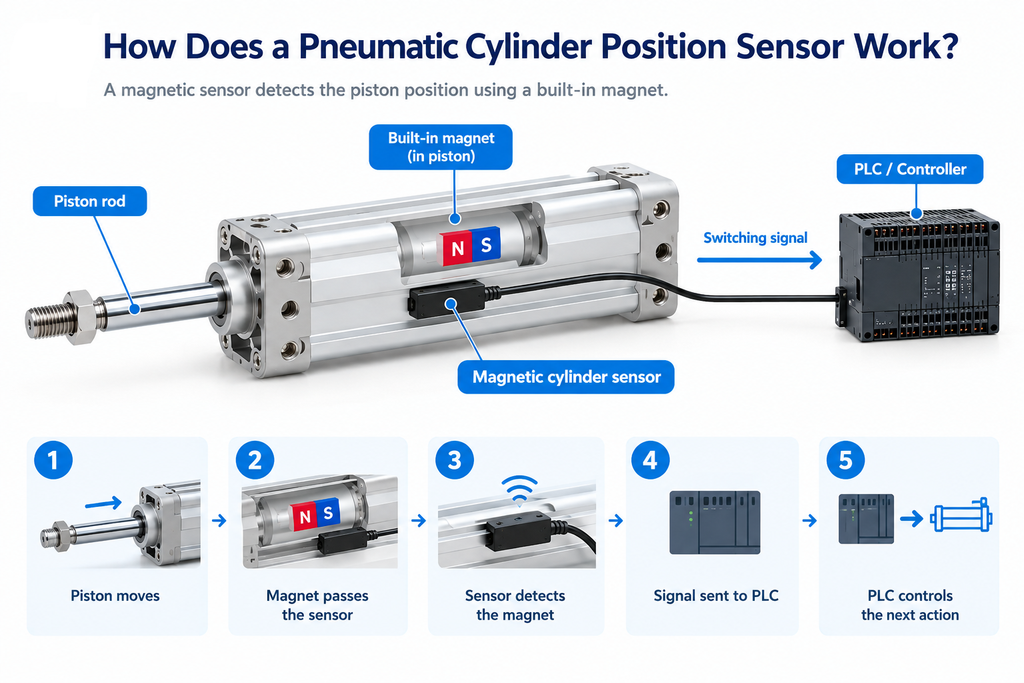
A pneumatic cylinder position sensor detects piston movement by sensing the magnetic field of a magnet mounted inside the piston. As the piston moves, the magnetic field passes through the cylinder wall and reaches the sensor installed outside the cylinder.
When the piston reaches the sensor’s detection area, the sensor changes its electrical state and sends a signal to a PLC or other control device. When the piston moves away, the signal changes back. This allows the control system to determine whether the cylinder has reached a specific position.
The basic sensing process is:
Piston moves → Magnetic field reaches sensor → Sensor switches → Position signal is sent to the controller
This non-contact design is one reason air cylinder position sensors are widely used in automated pneumatic equipment. However, the sensor must be positioned correctly and matched to the cylinder profile to ensure reliable detection.
The sensor detects the piston magnet, not the piston itself.
Reed vs. Solid-State: Which Sensing Technology Do You Need?
The two most common sensing technologies for magnetic cylinder switches are reed switches and solid-state sensors. Both detect the magnetic field of the piston magnet, but they use different switching principles.
A magnetic reed switch uses mechanical contacts inside a sealed glass tube. When the magnetic field reaches the switch, the contacts open or close to complete the circuit. Reed switches are simple, cost-effective, and suitable for many standard pneumatic cylinder applications.
A solid-state sensor uses electronic components instead of mechanical contacts. Because there are no moving contacts, it is generally better suited to applications requiring frequent switching, longer service life, or greater resistance to mechanical vibration.
Feature
Reed Switch
Solid-State Sensor
Switching method
Mechanical contact
Electronic
Contact wear
Yes
No
Switching frequency
Standard
High
Service life
Contact-dependent
Generally longer
Cost
Lower
Higher
Best for
General applications
Frequent switching & automation
Which should you choose? For basic and cost-sensitive position detection, a magnetic reed switch is often sufficient. For high-speed automation or applications with frequent switching, a solid-state sensor may be the better choice.
Connection Types: Integrated Connector, Flying Lead, or Cable with Connector?
The electrical connection is an important consideration when selecting a magnetic cylinder switch. Different connection methods affect installation efficiency, maintenance, wiring flexibility, and compatibility with the control system.
The three most common connection types are integrated connectors, flying leads, and cable assemblies with connectors. Understanding their differences can help engineers and buyers choose the most suitable sensor for their equipment.
In this design, the connector is integrated directly into the sensor housing. Standard interfaces such as M8 and M12 connectors provide a compact and reliable connection.
Compared with hard-wired sensors, integrated connectors allow faster replacement and easier maintenance. If a sensor fails, it can be unplugged and replaced without rewiring the entire system.
Typical applications:
Automated assembly lines
Packaging machines
Conveyor systems
Robot end-effectors
Modular equipment
These applications often require quick maintenance and standardized components, making M8 and M12 connectors a popular choice.
Example:
A packaging machine may contain dozens of pneumatic cylinders. Using M8-connected magnetic sensors allows maintenance personnel to replace a faulty sensor within minutes, reducing downtime.
Flying-lead sensors have wires directly connected to the sensor body without a detachable connector.
This design is simple, cost-effective, and suitable for equipment where the sensor is installed permanently or where wiring requirements are customized.
Typical applications:
OEM machinery
Customized pneumatic systems
Compact equipment with limited space
Cost-sensitive applications
Flying leads are also common when the control cabinet is located close to the cylinder and a connector is not necessary.
Example:
In a compact pneumatic fixture, a flying-lead sensor can be directly wired to a nearby terminal block, reducing installation cost and saving space.
This type combines a fixed cable with a connector at the cable end. It offers greater installation flexibility and allows different cable lengths to be used.
Cable assemblies are especially useful when the sensor and control cabinet are located far apart.
Typical applications:
Large automated production lines
Material handling systems
Mobile equipment
Harsh industrial environments
Longer cables can simplify routing and reduce the number of extension connections.
Example:
On a large conveyor system, a sensor with a pre-assembled M12 cable can be routed directly to the control cabinet without additional wiring work.
Connection Type
Advantages
Typical Applications
Integrated M8/M12
Quick replacement, standardized connection
Packaging, robotics, assembly lines
Flying Lead
Low cost, flexible wiring
OEM equipment, custom machines
Cable + Connector
Long-distance connection, easy routing
Conveyors, material handling systems
Wiring and Output: 2-Wire vs. 3-Wire, NPN vs. PNP
After choosing the connection type, the next step is to confirm the sensor’s wiring and output configuration. The correct choice depends on the sensing technology, PLC input, and control circuit.
2-Wire vs. 3-Wire
2-wire sensors are commonly used with reed switches. The two wires form a simple switching circuit, making them easy to install and suitable for basic cylinder position detection.
3-wire sensors are commonly used with solid-state sensors. They typically include power supply, ground, and output wires, allowing the sensor to provide a defined electronic output to the controller.
Wiring
Typical Sensor
Main Advantage
Typical Application
2-Wire
Reed switch
Simple wiring
Basic pneumatic equipment
3-Wire
Solid-state
Electronic output
Automated machinery
For example, a simple pneumatic clamping fixture may only need a 2-wire reed switch to confirm whether the cylinder has reached its end position. A high-speed automated assembly machine may use a 3-wire solid-state sensor for more frequent position detection.
NPN vs. PNP
For 3-wire sensors, NPN and PNP are two common output configurations. The main difference is how the sensor switches the electrical signal to the controller.
PNP: the sensor supplies positive voltage to the output when activated.
NPN: the sensor switches the output toward 0 V when activated.
The correct choice should match the PLC or controller input configuration. Do not select NPN or PNP based only on the sensor itself.
Quick selection rule:
Check the PLC input first → confirm NPN or PNP → then select the sensor.
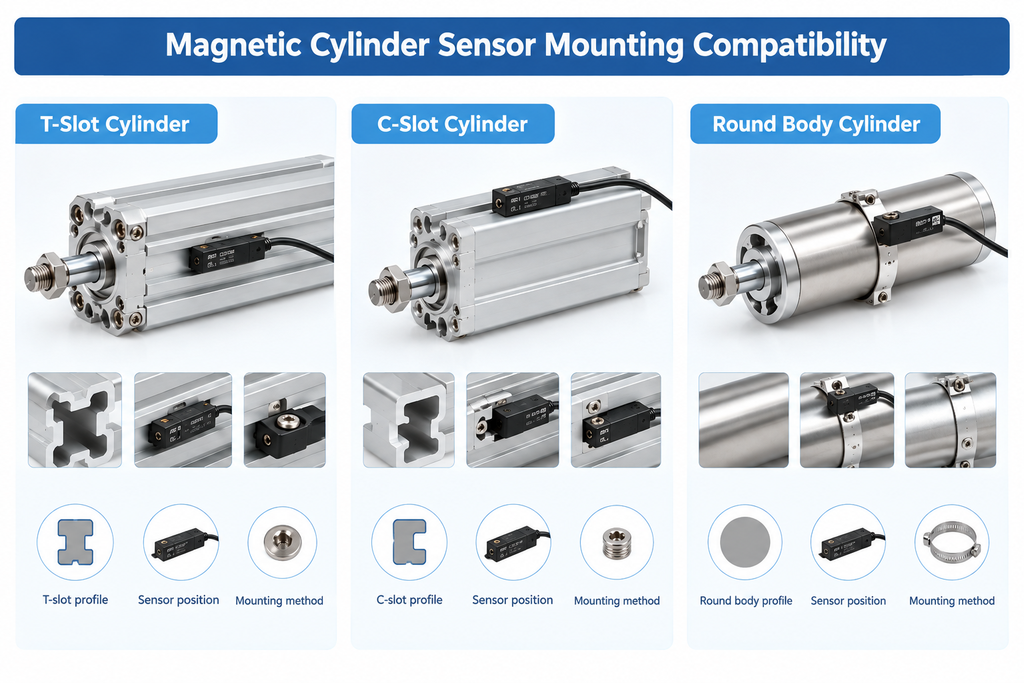
Mounting Compatibility: T-Slot, C-Slot, and Round Body Cylinders
A magnetic cylinder switch must match the mounting design of the pneumatic cylinder. Even if the sensor has the correct electrical specifications, it may not fit the cylinder slot or mounting surface.
The most common mounting options include T-slot cylinders, C-slot cylinders, and round body cylinders. Before purchasing a magnetic cylinder sensor, check the cylinder profile, slot dimensions, sensor size, and mounting method.
T-Slot Cylinder Sensors
T-slot cylinders have a T-shaped mounting groove along the cylinder body. The sensor is inserted into the slot and secured with a screw or other locking mechanism.
T-slot cylinder sensors are widely used in factory automation because they provide a clean installation and allow the sensor position to be adjusted easily.
Typical applications:
Automated assembly equipment
Pneumatic grippers
Packaging machines
Pick-and-place systems
C-Slot Cylinder Sensors
C-slot cylinders use a C-shaped groove for sensor installation. These cylinders are also common in compact pneumatic automation equipment.
A C-slot sensor is designed to fit the specific groove geometry. Therefore, a sensor designed for a T-slot should not automatically be assumed to fit a C-slot cylinder.
Round Body Cylinders
Round body cylinders generally do not have an integrated T-slot or C-slot. Instead, the magnetic sensor may require a mounting band, bracket, or other dedicated adapter.
This makes the cylinder’s outside diameter and mounting method particularly important when selecting a sensor.
How to Check Compatibility
Before ordering a magnetic cylinder switch, confirm these four points:
1. Cylinder profile → T-slot, C-slot, or round body 2. Mounting dimensions → Slot size, sensor dimensions, or cylinder diameter 3. Mounting method → Screw, clamp, bracket, or adapter 4. Sensor position → Make sure the sensor can reach the piston magnet reliably
For example, a pneumatic cylinder used on an automated packaging machine may have a T-slot design and require a compact T-slot magnetic sensor. A round pneumatic cylinder used in a customized fixture may instead require a sensor with a mounting band.
Important: Compatibility should not be determined by cylinder brand alone. Always check the actual cylinder profile and mounting dimensions before selecting a magnetic cylinder switch.
Five-Step Magnetic Cylinder Switch Selection Checklist
Selecting the right magnetic cylinder switch does not have to be complicated. By checking the cylinder, sensing technology, connection, wiring, and mounting method in the right order, you can quickly narrow down the available options.
Step 1: Identify the Cylinder Type
First, check the pneumatic cylinder where the sensor will be installed.
Determine whether it is a T-slot, C-slot, or round body cylinder. Also check the cylinder size and available mounting space.
If you are replacing an existing sensor, checking the original sensor model and mounting dimensions can help confirm compatibility.
Step 2: Choose the Sensing Technology
Next, decide whether you need a magnetic reed switch or a solid-state sensor.
For general-purpose cylinder position detection and cost-sensitive equipment, a reed switch is often a practical choice. For high-frequency switching and demanding automation applications, a solid-state magnetic cylinder sensor may provide better long-term performance.
Step 3: Select the Connection Type
Consider how the sensor will connect to the machine.
Choose an integrated M8/M12 connector when quick replacement and standardized connections are important. A flying lead may be more suitable for customized or space-limited equipment. A cable with connector is useful when the sensor needs a longer connection to the control system.
Step 4: Confirm Wiring and Output
Check the electrical requirements of the controller or PLC before ordering.
Confirm:
2-wire or 3-wire configuration
NPN or PNP output, when applicable
Operating voltage
Current or load requirements
Connector pinout
For example, selecting a PNP sensor for a control system that requires an NPN input can result in an incompatible installation even if the sensor physically fits the cylinder.
Step 5: Verify Mechanical and Environmental Requirements
Finally, check the mechanical and environmental conditions.
Important specifications may include:
IP rating
Operating temperature
Cable length
Sensor dimensions
Mounting screw type
Vibration resistance
Required sensing distance
For machines exposed to coolant, dust, water, or frequent movement, the sensor’s protection rating and cable construction should be considered carefully.
A Simple Selection Example
Imagine you need a magnetic cylinder switch for an automated packaging machine.
The cylinder uses a T-slot, the PLC requires a PNP input, and the machine needs quick sensor replacement during maintenance.
Based on these requirements, a suitable configuration would be:
This step-by-step approach helps avoid a common purchasing mistake: selecting a sensor based only on its connector or appearance while overlooking the cylinder mounting style or PLC requirements.
If you are unsure which configuration is suitable, provide the cylinder model, slot type, voltage, PLC input type, and required connector. These specifications can be used to determine the appropriate magnetic cylinder switch configuration.
FAQ About Magnetic Cylinder Switches
1. Why doesn’t my magnetic cylinder switch detect the piston?
If the sensor does not detect the piston, first check whether the cylinder has a built-in piston magnet. Then verify that the sensor is installed in the correct position and fully seated in the cylinder slot.
For T-slot and C-slot cylinders, an incompatible sensor size or mounting position can prevent reliable detection. It is also important to check the sensor’s sensing range and make sure the piston magnet is strong enough for the selected sensor.
2. Why does my cylinder sensor work sometimes but not consistently?
Intermittent detection can be caused by incorrect sensor positioning, excessive vibration, loose mounting, or a mismatch between the sensor and cylinder profile.
Check whether the sensor moves during cylinder operation and whether the switching point changes as the piston travels. For applications with frequent vibration or high-speed movement, a suitable solid-state sensor and secure mounting method may provide more stable performance.
3. How do I know whether I need a 2-wire or 3-wire cylinder sensor?
Start by checking the existing wiring or the PLC input. A simple pneumatic cylinder application may use a 2-wire reed switch, while automated equipment with an electronic sensor may use a 3-wire configuration.
When replacing an existing sensor, do not choose only by appearance. Check the original wiring diagram, supply voltage, and output configuration to make sure the replacement sensor is electrically compatible.
4. My sensor fits the cylinder, but the PLC receives no signal. What should I check?
First check the wiring and sensor output type. For a 3-wire sensor, confirm whether the PLC requires NPN or PNP input and make sure the sensor output matches it.
Then check the power supply, ground connection, sensor pinout, and PLC input settings. A sensor can be mechanically compatible with the cylinder but still be electrically incompatible with the control system.
5. Should I choose an M8 or M12 connector for a magnetic cylinder sensor?
Choose the connector based on the machine’s available space and existing wiring system.
An M8 cylinder sensor is a good option for compact pneumatic equipment where installation space is limited. An M12 cylinder sensor may be preferable when a more robust industrial connection or compatibility with an existing M12 cabling system is required.
If the machine already uses M8 or M12 connectors, matching the existing connection standard can also simplify maintenance and replacement.
6. Can I replace a damaged cylinder sensor with a different brand?
A different brand can sometimes be used, but the replacement must match both the mechanical and electrical specifications.
Before replacing the sensor, compare the cylinder profile, mounting dimensions, sensor length, wiring, operating voltage, output type, connector, and pinout. For branded cylinders such as SMC, Festo, or AirTAC, checking the specific cylinder series is more reliable than selecting a replacement based only on the brand.
Choose the Right Magnetic Cylinder Switch for Your Application
Choosing a magnetic cylinder switch starts with more than the sensor itself. The best solution should match the pneumatic cylinder, sensing technology, connection type, wiring, mounting method, and operating environment.
Renhotec provides magnetic cylinder switches and sensors for different pneumatic cylinder configurations, with options for reed sensing, 2-wire and 3-wire wiring, M8/M12 connections, flying leads, and customized cable assemblies.
Need help selecting a magnetic cylinder switch? Send us your cylinder model, mounting type, wiring requirements, connector type, and application details. Our team can help you identify a suitable configuration for your pneumatic automation system.
As a Product Manager at Renhotec Group (est. 2008), I specialize in providing deep technical insights into connectors, cables, and custom electronic components. Renhotec is a global leader in interconnect solutions, dedicated to manufacturing high-standard products for diverse industries as your trusted technical partner.